Senecio angulatus
L. f.
Scrambling groundsel
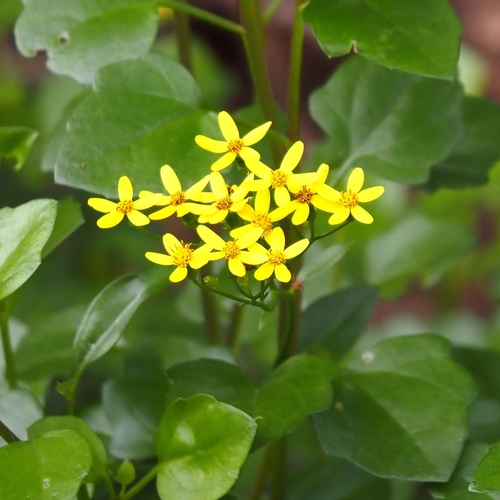
(c) gardatxanae, some rights reserved (CC BY-NC), uploaded by gardatxanae

(c) Adriaan Grobler, some rights reserved (CC BY-NC), uploaded by Adriaan Grobler
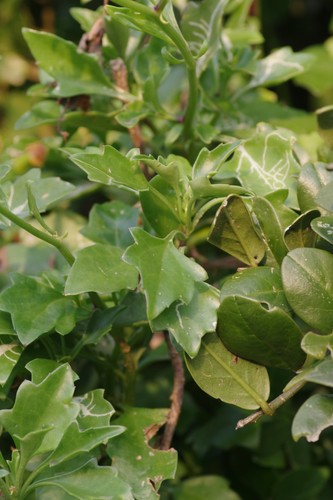
(c) Craig Peter, some rights reserved (CC BY-NC), uploaded by Craig Peter
What to Eat
Edible parts: Leaves
The leaves are eaten as a green vegetable.
Where to Find It
It is a temperate plant. It can grow in arid places.
Africa, Australia, Bolivia, South Africa*, Southern Africa, Tasmania,
How to Identify
A temperate herb in the daisy family (Asteraceae) that can tolerate arid conditions. It is found in temperate regions where it can grow in dry places.
Medicinal Uses
Phytochemical profiling showed antioxidant and anti-acetylcholinesterase activities in extracts from Algerian Senecio angulatus. The hydro-methanolic and the acetate extracts have exhibited antioxidant potential of acetate for FRAP and phenanthroline methods. Furthermore, a high amount of cynarin and trans-ferulic acid was found in the extract whereas butanolic infusion had recorded the highest amount of chlorogenic acid. Though phenolic compounds tend to have hydroxyl in their composition, contributing to the antioxidant activity.
Wikipedia
Source ↗Senecio angulatus, also known as creeping groundsel and Cape ivy, is a succulent flowering plant in the family Asteraceae that is native to South Africa. Cape ivy is a scrambling herb that can become an aggressive weed once established, making it an invasive species. It is grown as an ornamental plant for its satiny foliage and sweet-scented flowers. It is a problem weed in New Zealand, and is naturalised in parts of North Africa and Southern Europe. In Australia, Senecio tamoides is sometimes misapplied and is considered to be Senecio angulatus. Cape ivy is very similar to Delairea odorata, Senecio tamoides and Senecio macroglossus. Other common names include climbing groundsel, angled senecio, Algerian senecio, Jordanian senecio and scrambling groundsel.
Names & Synonyms
References (6)
- Baker, M. L. & de Salas, M. F., 2012, A Census of the Vascular Plants of Tasmania. (On line)
- Fox, F. W. & Young, M. E. N., 1982, Food from the Veld. Delta Books. p 124
- Royal Botanic Gardens, Kew (1999). Survey of Economic Plants for Arid and Semi-Arid Lands (SEPASAL) database. Published on the Internet; http://www.rbgkew.org.uk/ceb/sepasal/internet [Accessed 14th April 2011]
- Ruiters-Welcome, A. K., 2019, Food plants of southern Africa. Ph.D. thesis. Univ. of Johannesburg p 36
- Welcome, A. K. & Van Wyk, B.-E., 2019, An inventory and analysis of the food plants of southern Africa. South African Journal of Botany 122 (2019) 136–179
- World Checklist of Useful Plant Species 2020. Royal Botanic Gardens, Kew