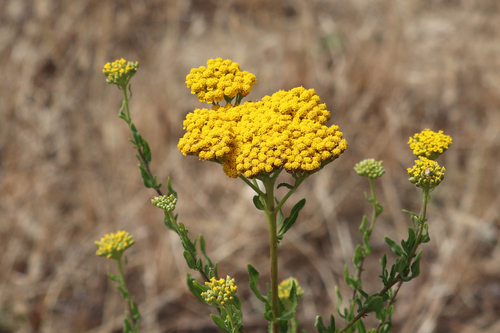
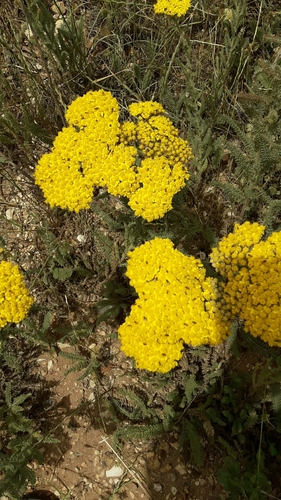
Senecio burchellii
DC.
AsteraceaeLeaves
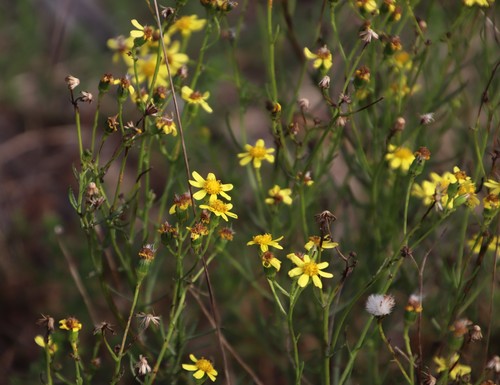
iNaturalist · cc-by-sa
(c) Tony Rebelo, some rights reserved (CC BY-SA), uploaded by Tony Rebelo
(c) Tony Rebelo, some rights reserved (CC BY-SA), uploaded by Tony Rebelo

iNaturalist · cc-by-sa
(c) Dave U, some rights reserved (CC BY-SA), uploaded by Dave U
(c) Dave U, some rights reserved (CC BY-SA), uploaded by Dave U
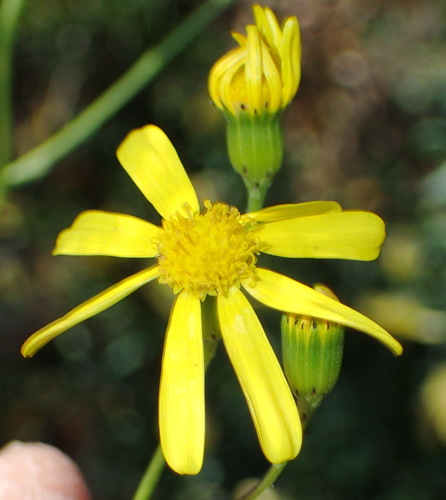
iNaturalist · cc-by-sa
(c) Nicola van Berkel, some rights reserved (CC BY-SA), uploaded by Nicola van Berkel
(c) Nicola van Berkel, some rights reserved (CC BY-SA), uploaded by Nicola van Berkel
What to Eat
Edible parts: Leaves
The leaves are cooked and eaten as a green vegetable.
Where to Find It
It is a Mediterranean plant. It can grow in arid places.
Africa, Lesotho, Namibia, South Africa, Southern Africa,
Countries: Angola, Burkina Faso, Burundi, Benin, Botswana, Congo (DRC), Central African Republic, Congo (Republic), Cote d'Ivoire, Cameroon, Cape Verde, Djibouti, Algeria, Egypt, Eritrea, Ethiopia, Gabon, Ghana, Gambia, Guinea, Equatorial Guinea, Guinea-Bissau, Kenya, Comoros, Liberia, Lesotho, Libya, Morocco, Madagascar, Mali, Mauritania, Mauritius, Malawi, Mozambique, Namibia, Niger, Nigeria, Rwanda, Seychelles, Sudan, Sierra Leone, Senegal, Somalia, South Sudan, Sao Tome & Principe, Eswatini, Chad, Togo, Tunisia, Tanzania, Uganda, South Africa, Zambia, Zimbabwe
How to Identify
An herbaceous plant in the Asteraceae family from the Mediterranean region. The leaves are cooked and eaten as a green vegetable, and it can tolerate arid conditions.
Names & Synonyms
Senecio lichtensteinensis Dinter
References (5)
- Fox, F. W. & Young, M. E. N., 1982, Food from the Veld. Delta Books. p 124
- Royal Botanic Gardens, Kew (1999). Survey of Economic Plants for Arid and Semi-Arid Lands (SEPASAL) database. Published on the Internet; http://www.rbgkew.org.uk/ceb/sepasal/internet [Accessed 14th April 2011]
- Ruiters-Welcome, A. K., 2019, Food plants of southern Africa. Ph.D. thesis. Univ. of Johannesburg p 36
- Welcome, A. K. & Van Wyk, B.-E., 2019, An inventory and analysis of the food plants of southern Africa. South African Journal of Botany 122 (2019) 136–179
- World Checklist of Useful Plant Species 2020. Royal Botanic Gardens, Kew