Solanum hermannii
Dubal
Dead sea apple, Apple of Sodom
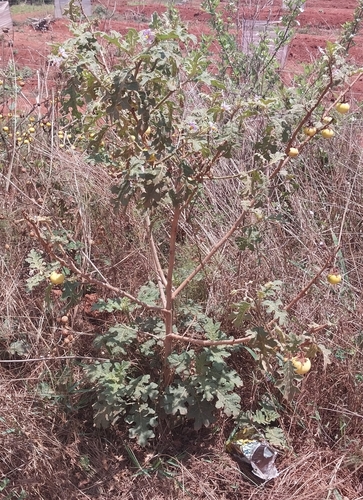
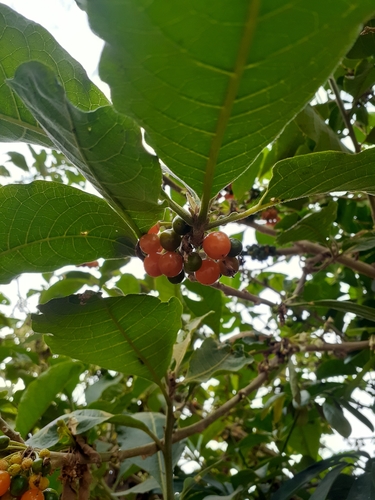
iNaturalist · cc-by-nc
(c) Vincent Egan, some rights reserved (CC BY-NC)
(c) Vincent Egan, some rights reserved (CC BY-NC)
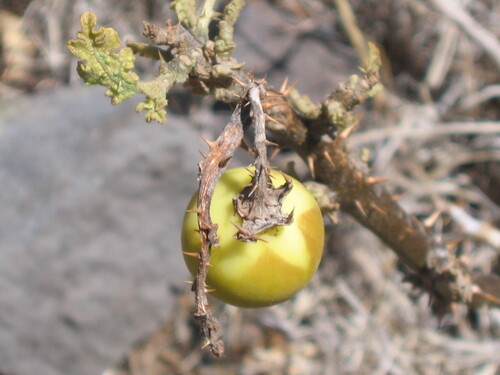
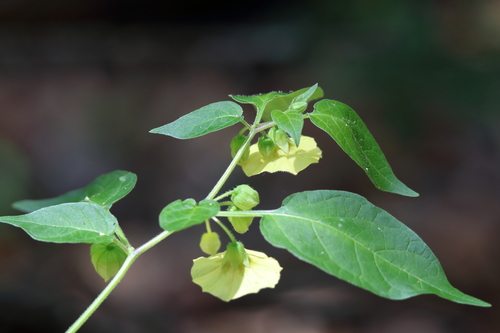
iNaturalist · cc-by
(c) zebedeugalinha, some rights reserved (CC BY)
(c) zebedeugalinha, some rights reserved (CC BY)
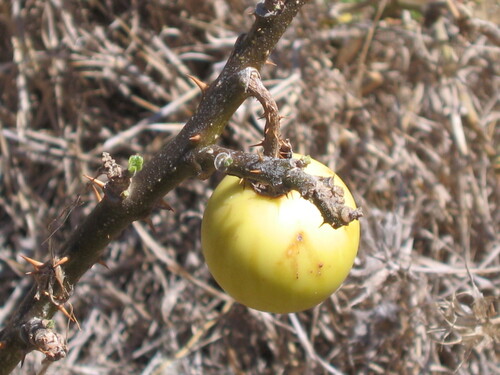
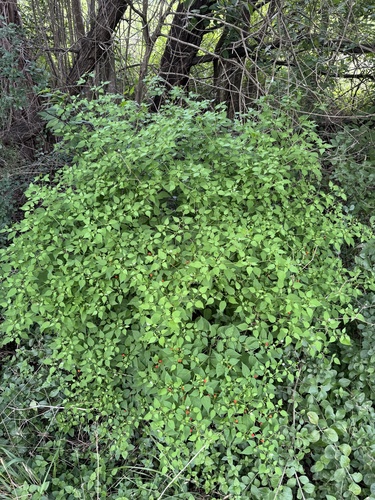
iNaturalist · cc-by
(c) zebedeugalinha, some rights reserved (CC BY)
(c) zebedeugalinha, some rights reserved (CC BY)
What to Eat
Edible parts: Seeds, Caution
Caution: The fruit or at least the unripe ones are poisonous.
Known Hazards
Where to Find It
It is a subtropical plant. It grows in dry alkaline soils. It can grow in arid places.
Africa, Australia, Mediterranean, Morocco, North Africa, South Africa, Southern Africa, Tunisia,
Countries: Albania, Angola, Australia, Bosnia & Herzegovina, Burkina Faso, Burundi, Benin, Botswana, Congo (DRC), Central African Republic, Congo (Republic), Cote d'Ivoire, Cameroon, Cape Verde, Cyprus, Djibouti, Algeria, Egypt, Eritrea, Spain, Ethiopia, France, Gabon, Ghana, Gambia, Guinea, Equatorial Guinea, Greece, Guinea-Bissau, Croatia, Israel, Italy, Kenya, Comoros, Lebanon, Liberia, Lesotho, Libya, Morocco, Monaco, Montenegro, Madagascar, Mali, Mauritania, Malta, Mauritius, Malawi, Mozambique, Namibia, Niger, Nigeria, Rwanda, Seychelles, Sudan, Slovenia, Sierra Leone, Senegal, Somalia, South Sudan, Sao Tome & Principe, Syria, Eswatini, Chad, Togo, Tunisia, Turkey, Tanzania, Uganda, South Africa, Zambia, Zimbabwe
How to Identify
It is a shrub. It grows 1 m high. It is prickly. The prickles can be 15 mm long.
Names & Synonyms
Solanum sodomeum L. var. hermannii (Dunal) DunalSolanum sodomeum auct. non L.
References (1)
- Royal Botanic Gardens, Kew (1999). Survey of Economic Plants for Arid and Semi-Arid Lands (SEPASAL) database. Published on the Internet; http://www.rbgkew.org.uk/ceb/sepasal/internet [Accessed 11th June 2011]