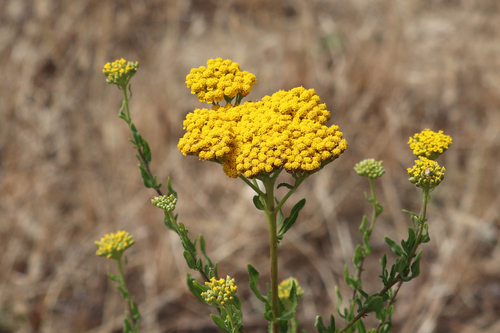
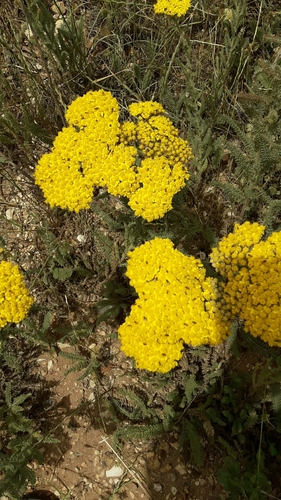
Pluchea sericea
(Nutt.) Coville
Arrow weed

(c) W. Terry Hunefeld, some rights reserved (CC BY), uploaded by W. Terry Hunefeld

(c) Alan English CPA, some rights reserved (CC BY-NC)

(c) W. Terry Hunefeld, some rights reserved (CC BY-NC), uploaded by W. Terry Hunefeld
What to Eat
Edible parts: Roots
It was once used medicinally by Native Americans as an antidiarrheal and eyewash. Other traditional uses include thatching, arrowmaking and food, especially the edible root. In other uses, the gum resin that exudes from the plant was used by the Papago Indians to make a mending glue on broken pottery.
Where to Find It
It is a temperate plant.
North America, USA,
How to Identify
A herb.
Wikipedia
Source ↗Pluchea sericea, commonly called arrowweed or cachanilla (Mexico), is a rhizomatous evergreen shrub of riparian areas in the lower Sonoran Desert and surrounding areas. It is common in the lower Colorado River valley of California, Nevada and Arizona, as far east as Texas, and in northern Mexico where it often forms dense impenetrable thickets. It is a perennial shrub and grows along watercourses.
Names & Synonyms
References (1)
- Moerman, D. F., 2010, Native American Ethnobotany. Timber Press. p 419