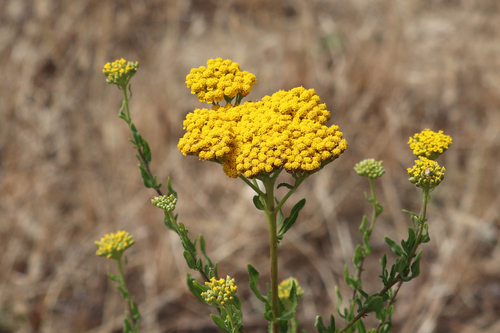
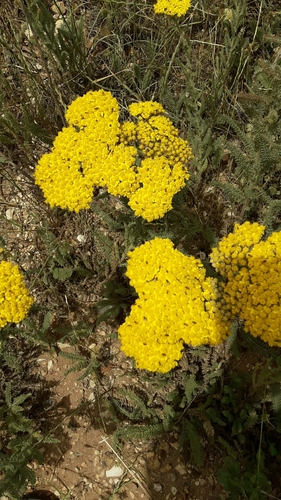
Chrysanthellum indicum
DC.
AsteraceaeLeaves

iNaturalist · cc-by-nc-sa
(c) Marco Schmidt, some rights reserved (CC BY-NC-SA)
(c) Marco Schmidt, some rights reserved (CC BY-NC-SA)
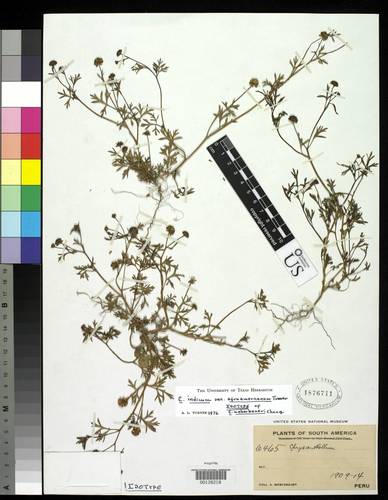
iNaturalist · cc-by-nc-sa
(c) Smithsonian Institution, National Museum of Natural History, Department of Botany, some rights reserved (CC BY-NC-SA)
(c) Smithsonian Institution, National Museum of Natural History, Department of Botany, some rights reserved (CC BY-NC-SA)
What to Eat
Edible parts: Leaves
The leaves are edible.
Where to Find It
It is a tropical plant.
Africa, Benin, Burkina Faso, East Africa, Madagascar, Uganda, West Africa,
Countries: Angola, Burkina Faso, Burundi, Benin, Botswana, Congo (DRC), Central African Republic, Congo (Republic), Cote d'Ivoire, Cameroon, Cape Verde, Djibouti, Algeria, Egypt, Eritrea, Ethiopia, Gabon, Ghana, Gambia, Guinea, Equatorial Guinea, Guinea-Bissau, Kenya, Comoros, Liberia, Lesotho, Libya, Morocco, Madagascar, Mali, Mauritania, Mauritius, Malawi, Mozambique, Namibia, Niger, Nigeria, Rwanda, Seychelles, Sudan, Sierra Leone, Senegal, Somalia, South Sudan, Sao Tome & Principe, Eswatini, Chad, Togo, Tunisia, Tanzania, Uganda, South Africa, Zambia, Zimbabwe
How to Identify
A tropical herb in the daisy family with edible leaves and medicinal properties.
How to Grow
A plant of moderate or higher elevations in the tropics. The plant is a weed in its native regions.
Medicinal Uses
The plant is used as medicine.
Other Uses
The leaves are mixed with henna for tinting the nails.
Notes
It is also used as medicine.
Names & Synonyms
Kigele kyampiti, Natataka, Trakalahy, Trakambazimba
Adenocarpum tuberculatum D. Don ex Hook. & Arn.Chrysanthellum boliviense Sch.Bip. [Invalid]
Chrysanthellum weberbaueri I. C. ChungPlagiocheilus erectus Rusby
References (2)
- Achigan-Dako, E, et al (Eds), 2009, Catalogue of Traditional Vegetables in Benin. International Foundation for Science.
- Segnon, A. C. and Achigan-Dako, E. G., 2014, Comparative analysis of diversity and utilization of edible plants in arid and semi-arid areas in Benin. Journal of Ethnobiology and Ethnomedicine. 10:80