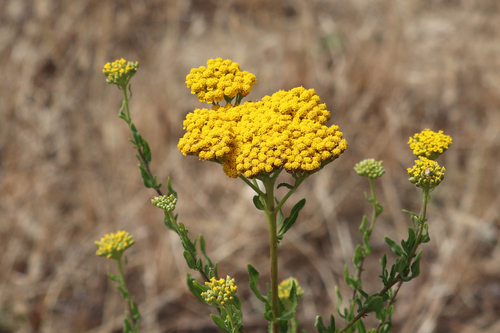
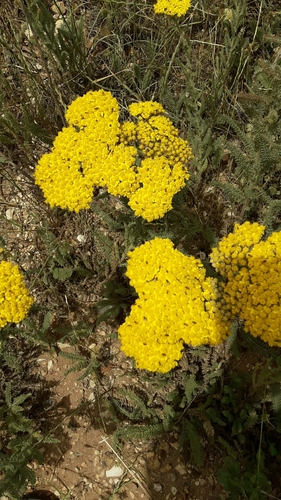
Macledium sessiliflorum
(Harv.) S. Ortiz

(c) Bart Wursten, some rights reserved (CC BY-NC)

(c) Bart Wursten, some rights reserved (CC BY-NC)

(c) Bart Wursten, some rights reserved (CC BY-NC)
Where to Find It
It is a tropical plant.
Africa, Benin, Burkina Faso, East Africa, Mozambique, West Africa,
How to Identify
A herb.
Medicinal Uses
The whole plant is strongly bitter and has analgesic properties. It is used as a febrifuge, particularly for treating children. A decoction of the roots is taken as a cough-medicine and for the treatment of stomach complaints and pains. A decoction is taken by draught to maturate hard abscesses. In some areas the root is considered to be aphrodisiac. Plant ash is rubbed into scarifications on the forehead and temples as a treatment for headache, and similarly root-ash is rubbed onto the sides and ribs in order to relieve stiffness due to unwonted effort. Ash is rubbed into scarifications on the chest, and a root-decoction is drunk, as a treatment for pneumonia. The leaf-sap and root-decoction are used in the treatment of dysentery.
Other Uses
Petroleum extracts of the plant have been shown to be effective in restricting the infestation of wheat grain and shelled maize by insect pests.
Names & Synonyms
References (1)
- Achigan-Dako, E, et al (Eds), 2009, Catalogue of Traditional Vegetables in Benin. International Foundation for Science. (As Dicoma sessiliflora)