Artemisia arbuscula
Nutt.
Low sagebrush

iNaturalist · cc-by-nc
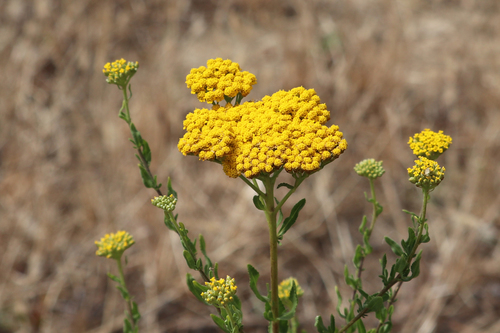
(c) Patrick (Dan) Giltz, some rights reserved (CC BY-NC), uploaded by Patrick (Dan) Giltz
(c) Patrick (Dan) Giltz, some rights reserved (CC BY-NC), uploaded by Patrick (Dan) Giltz

iNaturalist · cc-by-sa
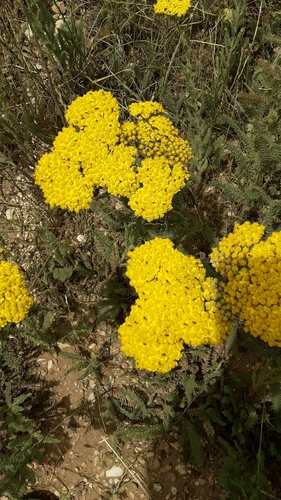
(c) Matt Lavin, some rights reserved (CC BY-SA)
(c) Matt Lavin, some rights reserved (CC BY-SA)

iNaturalist · cc-by-nc
(c) Todd Ramsden, some rights reserved (CC BY-NC), uploaded by Todd Ramsden
(c) Todd Ramsden, some rights reserved (CC BY-NC), uploaded by Todd Ramsden
What to Eat
Edible parts: ?
Where to Find It
It is a temperate plant. It grows on exposed sites and in poor soils with a high rock and clay content.
North America, USA,
Countries: Antigua & Barbuda, Barbados, Bahamas, Belize, Canada, Costa Rica, Cuba, Dominica, Dominican Republic, Grenada, Guatemala, Honduras, Haiti, Jamaica, St Kitts & Nevis, St Lucia, Mexico, Nicaragua, Panama, Puerto Rico, El Salvador, Trinidad & Tobago, United States, St Vincent
How to Identify
A shrub. It forms mounds 30 cm high. It is grey-green. The leaves are hairy. They are 1 cm long. The flower clusters are in hairy spike like heads.
Wikipedia
Source ↗Artemisia arbuscula is a North American species of sagebrush known by the common names little sagebrush, low sagebrush, or black sagebrush. It is native to the western United States from Washington, Oregon, and California east as far as Colorado and Wyoming. It grows in open, exposed habitat on dry, sterile soils high in rock and clay content.
Notes
It may have medicinal use.
References (1)
- INFOODSUpdatedFGU-list.xls