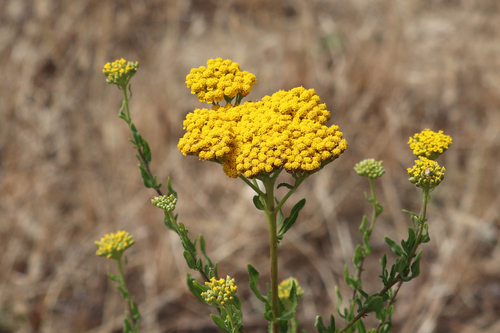
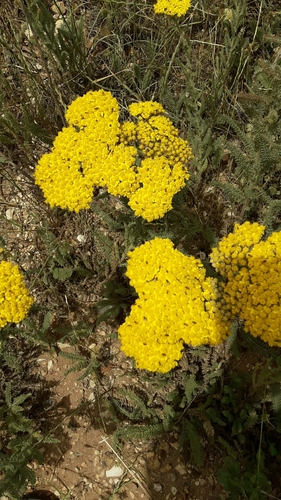
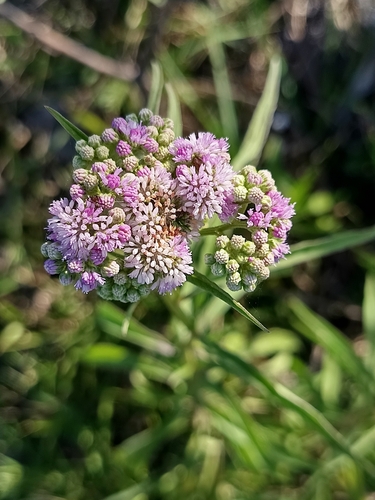
Ethulia gracilis
Del.
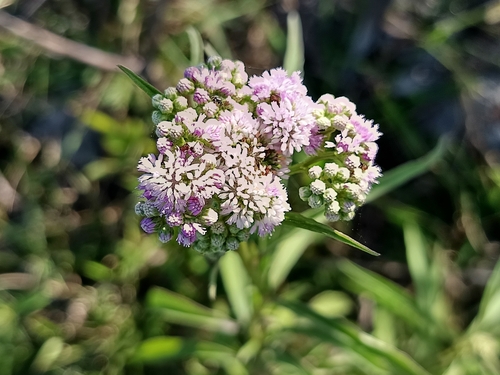
iNaturalist · cc-by-nc
(c) Ítalo dos Santos Agustinho, some rights reserved (CC BY-NC)
(c) Ítalo dos Santos Agustinho, some rights reserved (CC BY-NC)
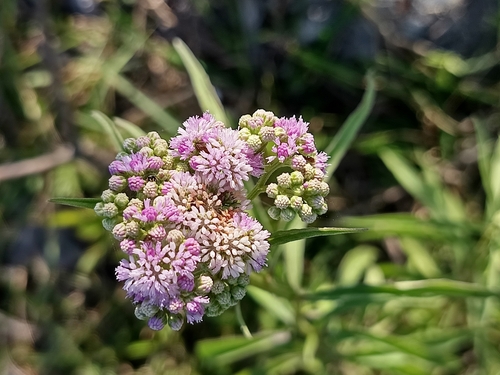
iNaturalist · cc-by-nc
(c) Ítalo dos Santos Agustinho, some rights reserved (CC BY-NC)
(c) Ítalo dos Santos Agustinho, some rights reserved (CC BY-NC)
iNaturalist · cc-by-nc
(c) Ítalo dos Santos Agustinho, some rights reserved (CC BY-NC)
(c) Ítalo dos Santos Agustinho, some rights reserved (CC BY-NC)
What to Eat
Edible parts: Plant - salt
The plant is burnt to produce edible salt.
Where to Find It
It is a tropical plant. It grows in ponds and rice fields. In Ethiopia it grows between 58-1,470 m above sea level.
Africa, Asia, China, East Africa, Ethiopia, Indochina, SE Asia, Thailand,
Countries: United Arab Emirates, Afghanistan, Armenia, Angola, Azerbaijan, Bangladesh, Burkina Faso, Bahrain, Burundi, Benin, Brunei, Bhutan, Botswana, Congo (DRC), Central African Republic, Congo (Republic), Cote d'Ivoire, Cameroon, China, Cape Verde, Djibouti, Algeria, Egypt, Eritrea, Ethiopia, Gabon, Georgia, Ghana, Gambia, Guinea, Equatorial Guinea, Guinea-Bissau, Indonesia, Israel, India, Iraq, Iran, Jordan, Japan, Kenya, Kyrgyzstan, Cambodia, Comoros, North Korea, South Korea, Kuwait, Kazakhstan, Laos, Lebanon, Sri Lanka, Liberia, Lesotho, Libya, Morocco, Madagascar, Mali, Myanmar, Mongolia, Mauritania, Mauritius, Maldives, Malawi, Malaysia, Mozambique, Namibia, Niger, Nigeria, Nepal, Oman, Philippines, Pakistan, Qatar, Rwanda, Saudi Arabia, Seychelles, Sudan, Singapore, Sierra Leone, Senegal, Somalia, South Sudan, Sao Tome & Principe, Syria, Eswatini, Chad, Togo, Thailand, Tajikistan, Timor-Leste, Turkmenistan, Tunisia, Turkey, Taiwan, Tanzania, Uganda, Uzbekistan, Vietnam, Yemen, South Africa, Zambia, Zimbabwe
How to Identify
A herb. It grows each year from seed. It grows 1.3 m tall. The stems are erect with lines along them and flattened hairs. The leaves are narrowly sword shaped and 11 cm long by 2 cm wide. The base is narrowly wedge shaped. There are a few teeth towards the end.
Names & Synonyms
Apuda
References (2)
- Awas, T., 1997, A Study on the Ecology and Ethnobotany of Non-cultivated Food Plants and Wild Relatives of Cultivated crops in Gambella Region, Southwestern Ethiopia. Addis Ababa University. p 42
- Lulekal, E., et al, 2011, Wild edible plants in Ethiopia: a review on their potential to combat food insecurity. Afrika Focus - Vol. 24, No 2. pp 71-121