Erigeron pulchellus
Michx.

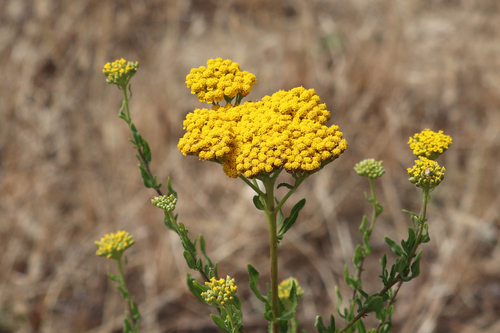
(c) tallpaultheforester, some rights reserved (CC BY-NC), uploaded by tallpaultheforester

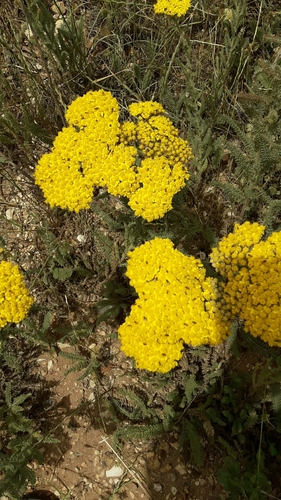
(c) Rich Stevenson, some rights reserved (CC BY-NC), uploaded by Rich Stevenson

(c) Annkatrin Rose, some rights reserved (CC BY-NC-SA)
What to Eat
No edible uses are known for this plant.
How to Identify
A fast-growing perennial reaching 0.6 m (2 ft) tall and wide, hardy to UK zone 5. Flowers are pollinated by bees and insects. Tolerates light sandy, medium loamy, and heavy clay soils with good drainage and can thrive in poor soil. Grows in mildly acid to neutral pH. Adapts to semi-shade or full sun and prefers moist conditions. Suitable for cottage gardens, butterfly gardens, wildflower meadows, borders, and rock gardens.
How to Grow
A perennial herbaceous wildflower. Dry to medium, well-drained soils in full sun. Tolerates light shade, heat and humidity. Good drainage is very important. Best in poor to modest soils which have not been fertilized. Plants usually perform poorly in rich soils.. Will naturalize in optimum growing conditions by self-seeding and stoloniferous spread. Flowers: Showy. Flower Color: White. Flower Time: Late spring or early summer. No serious insect or disease problems.
Propagation: Propagate by seed, division, or cuttings. Sow seeds outside in late fall or the following spring with no cold treatment required, though germination is poor — seeds need light to germinate. Division is very effective. In optimum conditions the plant will naturalize through self-seeding and stoloniferous spread.
Medicinal Uses
No medicinal uses are known for this plant.
Other Uses
This plant works well as a ground cover and provides shelter for insects and other arthropods. It also supplies nectar and pollen for beneficial insects. Suitable locations include cottage gardens, butterfly gardens, native plant and wildflower gardens, meadows, naturalized areas, borders, and rock gardens.
Wikipedia
Source ↗Erigeron pulchellus, the Robin's plantain, poor Robin's plantain, blue spring daisy or hairy fleabane, is a North American species of plants in the family Asteraceae. It is widespread across much of the United States and Canada from Québec and Ontario south as far as eastern Texas and the Florida Panhandle. E. pulchellus is a perennial herb up to 60 cm (2 feet) tall, spreading by means of underground rhizomes. It produces 1-9 flower heads per stem, each head containing sometimes as many as 100 white, pink, pale blue, or pale purple ray florets surrounding many yellow disc florets. The species grows in forests, roadsides, and the banks of bodies of water. Varieties Erigeron pulchellus var. brauniae Fernald - Kentucky, Ohio, West Virginia Erigeron pulchellus var. pulchellus - most of species range Erigeron pulchellus var. tolsteadii Cronquist - Minnesota
Names & Synonyms
Robin’s plantain, blue spring daisy, hairy fleabane, Poor Robin's Plantain
References (1)
- Jackes, D. A., Edible Forest Gardens