Lonicera sempervirens
L.

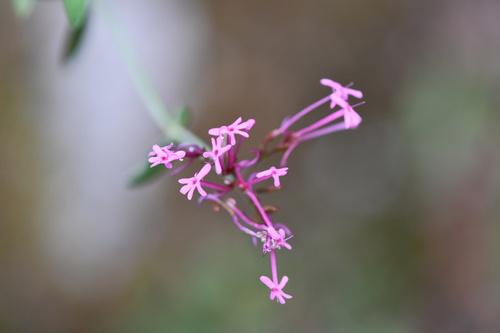
(c) Laura Kimberly, some rights reserved (CC BY-NC), uploaded by Laura Kimberly

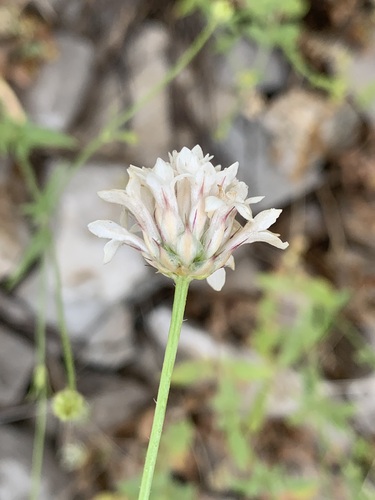
(c) exploreobserveinquire, some rights reserved (CC BY-NC)
What to Eat
None known.
Where to Find It
It is a temperate plant. It suits hardiness zones 4-9.
Africa, Asia, East Africa, Mozambique, Myanmar, SE Asia, USA,
How to Identify
Lonicera sempervirens is an evergreen shrub that grows to 5 m (16ft 5in) at a fast rate. Hardy to UK zone 3, it flowers in June. The hermaphrodite flowers are insect-pollinated. It grows in light sandy, medium loamy, and heavy clay soils with mildly acid to mildly alkaline pH. Full sun is required as it cannot tolerate shade. The plant adapts to both dry and moist soils.
How to Grow
Succeeds in most soils but prefers a good moist soil in a sunny position. Does not fruit so well when grown in the shade. Plants are very hardy, tolerating temperatures down to -15°c or lower, though they can be deciduous in cold winters. Woody. Growth habit is a single or multiple shooting vine from a crown.
Propagation: Seed is best sown as soon as it is ripe in a cold frame. Stored seed requires 2 months of cold stratification and should be sown in a cold frame as soon as possible. Prick seedlings into individual pots when large enough to handle and grow on in the greenhouse for at least their first winter, then plant out in late spring or early summer after the last expected frosts. Take half-ripe cuttings 7–10cm long with or without a heel in July/August in a frame; good success rate. Cuttings of mature wood from the current season's growth, 15–20cm with or without a heel, can be taken in November in a cold frame; good success rate. Layer in autumn.
Medicinal Uses
The fruit is emetic and cathartic. The expressed juice of the plant is beneficial applied to bee stings. The leaves have been dried and smoked as a treatment for asthma.
Other Uses
None known.
Wikipedia
Source ↗Lonicera sempervirens (commonly known as coral honeysuckle, trumpet honeysuckle, or scarlet honeysuckle) is a flowering plant species of honeysuckle vine native to the eastern United States which is known for its reddish flowers.
Names & Synonyms
References (1)
- Jackes, D. A., Edible Forest Gardens