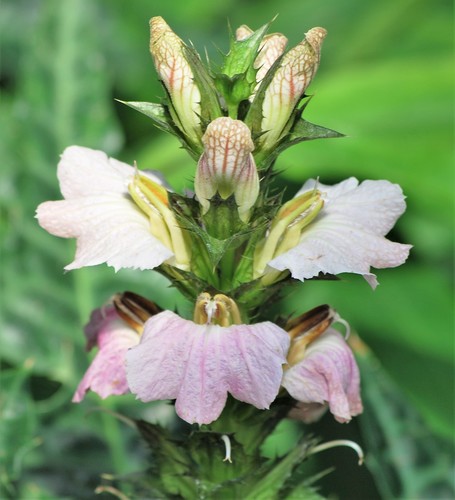
Dicliptera roxburghiana
Nees

(c) liushengyu, some rights reserved (CC BY-NC)
no rights reserved
no rights reserved
What to Eat
Edible parts: Leaves, Vegetables
An extract of its leaves is used as a food dye, and imparts a magenta tone to some Vietnamese foods, particularly in a taro-filled cake called bánh da lợn and glutinous rice dishes such as xôi lá cẩm, a sweet dessert.
Where to Find It
It is a tropical plant. In Yunnan.
Asia, Bangladesh, Bhutan, China, India, Northeastern India,
How to Identify
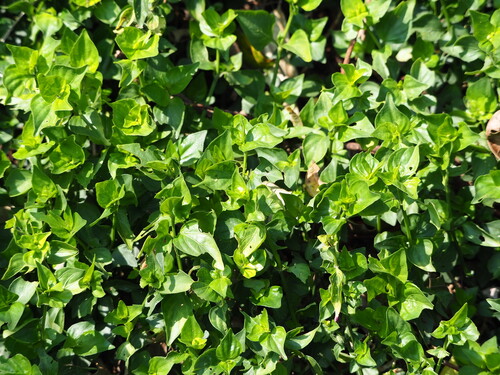
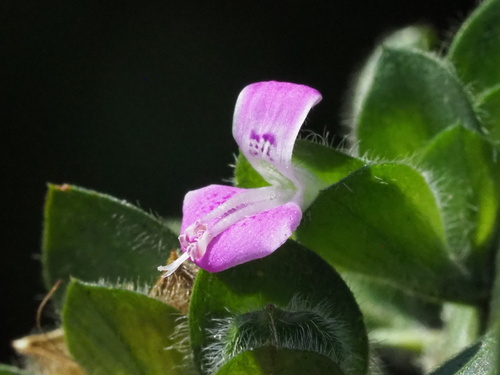
A herb. It grows 90 cm tall. It is much branched. The leaves are narrowly oval. The flowers are pink with a purple tinge. They are 1.2-1.5 cm long. They are in clusters at the ends of branches and in the axils of leaves.
Medicinal Uses
The plant is used in traditional Chinese medicine. The leaves have been used in water extract decoctions for the treatment of ailments including cough, dysentery, diarrhoea and bronchitis.
Names & Synonyms
Paba
References (1)
- Xu, You-Kai, et al, 2004, Wild Vegetable Resources and Market Survey in Xishuangbanna, Southwest China. Economic Botany. 58(4): 647-667.