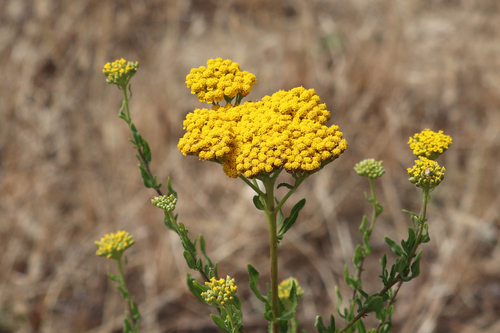
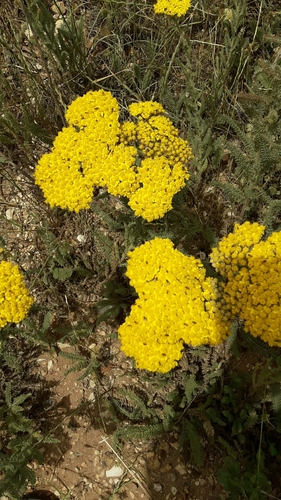
Centaurea chamaerhaponticum
Ball.

GBIF

GBIF

GBIF
What to Eat
Edible parts: Root - spice
The root can be cooked and eaten; it has a pleasant, not unpleasant flavour.
Where to Find It
It is a Mediterranean climate plant.
Africa, Algeria, Europe, Mediterranean, Morocco, North Africa, Spain, Turkey, Türkiye,
How to Identify
Hermaphrodite plant pollinated by insects. Accommodates light sandy, medium loamy, and heavy clay soils with good drainage across mildly acid to very alkaline pH ranges. Full sun essential; tolerates both dry and moist conditions with drought resistance.
How to Grow
We have very little information on this species and do not know if it will be hardy in Britain, though judging by its native range it could succeed outdoors in many parts of this country. The following notes are based on the general needs of the genus. Succeeds in ordinary garden soil. Prefers a well-drained fertile soil and a sunny position. Tolerates dry, low fertility and alkaline soils. Members of this genus are rarely if ever troubled by browsing deer.
Propagation: Sow seed in April in a cold frame. Prick seedlings out into individual pots once large enough to handle, and grow them on in a cold frame for at least their first winter before planting out in late spring or early summer after the last expected frosts. Division in autumn is straightforward — larger clumps can go directly into permanent positions, while smaller clumps are better potted up and grown on in a cold frame until well rooted, then planted out in summer or the following spring. Divide at least once every three years to keep plants vigorous. For basal cuttings in spring, harvest shoots at around 10–15cm long with plenty of underground stem, pot into individual pots, and keep in light shade in a cold frame or greenhouse until rooting well before planting out in summer.
Medicinal Uses
None known.
Other Uses
None known.
Wikipedia
Hermaphrodite plant pollinated by insects. Accommodates light sandy, medium loamy, and heavy clay soils with good drainage across mildly acid to very alkaline pH ranges. Full sun essential; tolerates both dry and moist conditions with drought resistance.
Notes
There are 400 to 600 Centaurea species.
Names & Synonyms
Tafgha
References (3)
- Hedrick, U.P., 1919, (Ed.), Sturtevant's edible plants of the world. p 178
- Plants for a Future database, The Field, Penpol, Lostwithiel, Cornwall, PL22 0NG, UK. http://www.scs.leeds.ac.uk/pfaf/
- Tbatou, M, et al, 2016, Wild Edible Plants traditionally used in the countryside of El Jadida, Coastal Area in the Center of Morocco. Life Sciences Leaflets 75:28-48