Cirsium acaulon
(L.) Scop.

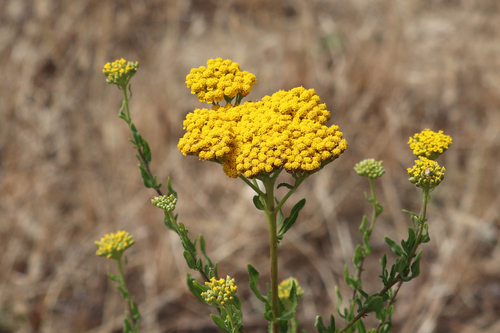
(c) glebnsk, some rights reserved (CC BY-NC)
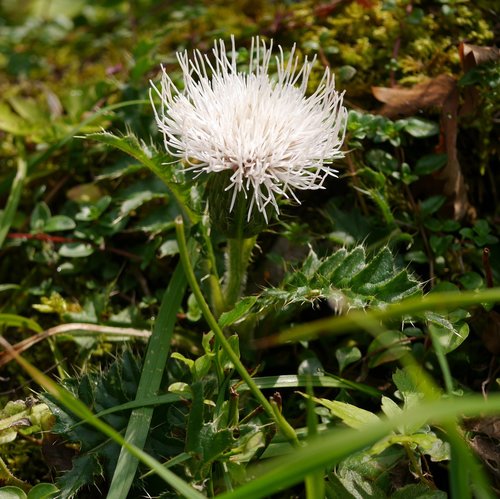
(c) reddad, some rights reserved (CC BY-NC)
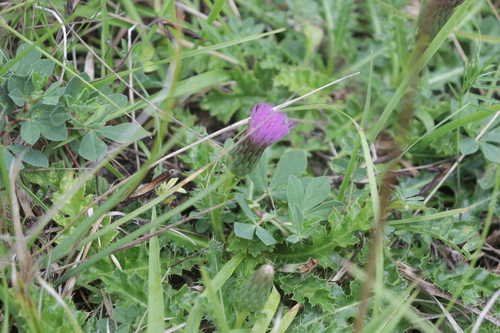
(c) João Cordeiro Pereira, some rights reserved (CC BY-NC)
What to Eat
Edible parts: Flower receptacle
None known
Where to Find It
It is a Mediterranean climateplant.
Europe, Italy, Luxembourg, Mediterranean, Slovenia,
How to Identify
Cirsium acaulon is a hardy perennial reaching 0.3 m tall, with UK zone 4 hardiness. It flowers July to September with seeds ripening August to October. This self-fertile, hermaphrodite plant is pollinated by bees, flies, moths, butterflies, and beetles. It grows in light sandy, medium loamy, and heavy clay soils with mildly acid, neutral, or basic pH, requiring full sun and moist soil conditions.
How to Grow
Propagation: Seed — sow in early spring or autumn in situ. Germination usually takes place within 2–8 weeks at 20°C.
Medicinal Uses
The root was traditionally chewed as a remedy for toothache.
Other Uses
The seed of all thistle species yields a good oil by expression, though no details of potential yields are given.
Wikipedia
Cirsium acaulon is a hardy perennial reaching 0.3 m tall, with UK zone 4 hardiness. It flowers July to September with seeds ripening August to October. This self-fertile, hermaphrodite plant is pollinated by bees, flies, moths, butterflies, and beetles. It grows in light sandy, medium loamy, and heavy clay soils with mildly acid, neutral, or basic pH, requiring full sun and moist soil conditions.
Names & Synonyms
Brezstebelni osat, Vazanel
References (1)
- Pieroni, A.,& Giusti, M. E., 2009, Alpine Ethnobotany in Italy: Journal of Ethnobiology and Ethnomedicine. 5:32 (As Cirsium acaule Scop.)