Cirsium botryodes
Petrak ex Hand-Mazz.

iNaturalist · cc-by-nc
(c) leekelai, some rights reserved (CC BY-NC), uploaded by leekelai
(c) leekelai, some rights reserved (CC BY-NC), uploaded by leekelai

iNaturalist · cc-by-nc
(c) leekelai, some rights reserved (CC BY-NC)
(c) leekelai, some rights reserved (CC BY-NC)
What to Eat
Edible parts: Leaves, Root
The leaves and roots are eaten.
Where to Find It
It is a temperate plant. In China it grows in mountain valleys and in grasslands on mountain slopes between 2,800-3,000 m above sea level. In Sichuan and Yunnan.
Asia, China,
Countries: United Arab Emirates, Afghanistan, Armenia, Azerbaijan, Bangladesh, Bahrain, Brunei, Bhutan, China, Georgia, Indonesia, Israel, India, Iraq, Iran, Jordan, Japan, Kyrgyzstan, Cambodia, North Korea, South Korea, Kuwait, Kazakhstan, Laos, Lebanon, Sri Lanka, Myanmar, Mongolia, Maldives, Malaysia, Nepal, Oman, Philippines, Pakistan, Qatar, Saudi Arabia, Singapore, Syria, Thailand, Tajikistan, Timor-Leste, Turkmenistan, Turkey, Taiwan, Uzbekistan, Vietnam, Yemen
How to Identify
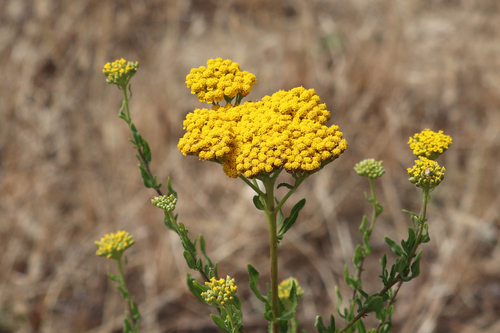
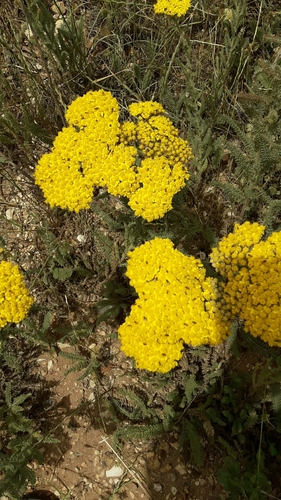
A herb. It is a thistle. It grows 50-100 cm tall. It keeps growing from year to year. The stem are greyish white. They are hairy. The leaves are rigid and greyish white underneath. They are 12-16 cm long by 7-8 cm wide and divided along the stalk. There are spines along the edge.
Names & Synonyms
Xiaoji
References (2)
- Kang, Y., et al, 2012, Wild food plants and wild edible fungi in two valleys on the Qinling Mountains (Shaanxi, central China) Journal of Ethnobiology and Ethnomedicine; 9:26
- Zhang, L., et al, 2016, Ethnobotanical study of traditional edible plants used by the Naxi people during droughts. Journal of Ethnobiology and Ethnomedicine. 12:39 (As Cirsium griseum Lev.)