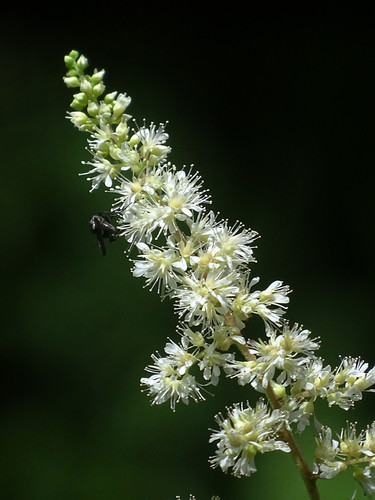
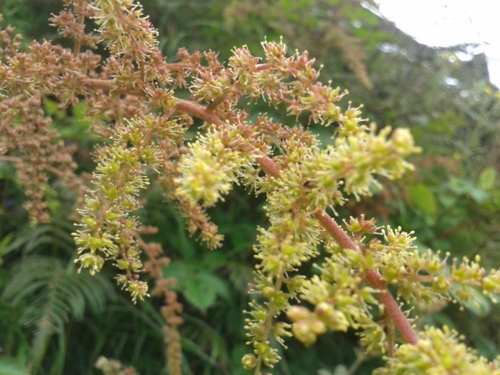
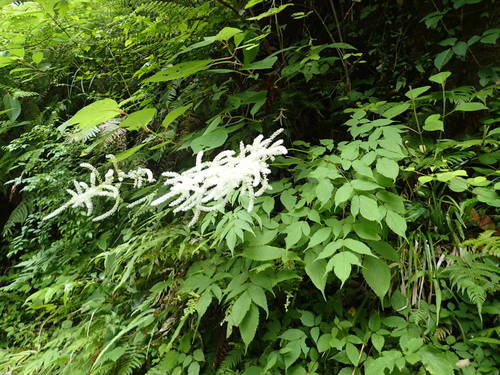
Chrysosplenium sinicum
Maxim.
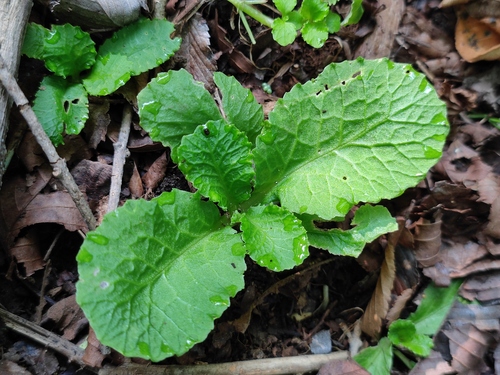
SaxifragaceaeLeaves
iNaturalist · cc-by-nc
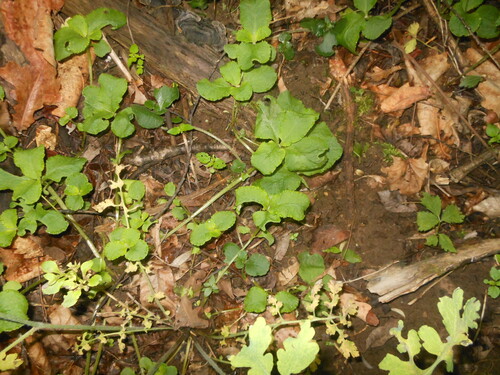
(c) Alexey P. Seregin, some rights reserved (CC BY-NC)
(c) Alexey P. Seregin, some rights reserved (CC BY-NC)
iNaturalist · cc-by-nc
(c) sergeyprokopenko, some rights reserved (CC BY-NC)
(c) sergeyprokopenko, some rights reserved (CC BY-NC)
iNaturalist · cc-by-nc
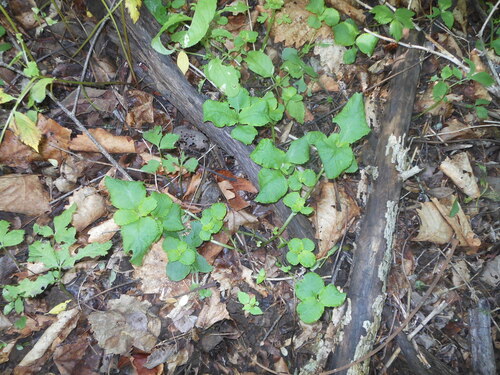
(c) sergeyprokopenko, some rights reserved (CC BY-NC)
(c) sergeyprokopenko, some rights reserved (CC BY-NC)
What to Eat
Edible parts: Leaves
The leaves are eaten.
Where to Find It
It is a temperate plant. It grows in forests in shaded and wet places between 500-3,600 m above sea level in central China. In Sichuan.
Asia, China, Korea, Mongolia, Russia
Countries: United Arab Emirates, Afghanistan, Armenia, Azerbaijan, Bangladesh, Bahrain, Brunei, Bhutan, China, Georgia, Indonesia, Israel, India, Iraq, Iran, Jordan, Japan, Kyrgyzstan, Cambodia, North Korea, South Korea, Kuwait, Kazakhstan, Laos, Lebanon, Sri Lanka, Myanmar, Mongolia, Maldives, Malaysia, Nepal, Oman, Philippines, Pakistan, Qatar, Russia, Saudi Arabia, Singapore, Syria, Thailand, Tajikistan, Timor-Leste, Turkmenistan, Turkey, Taiwan, Uzbekistan, Vietnam, Yemen
How to Identify
A herb. It grows 10-20 cm tall. The sterile branches arise from the axils of the leaves in the lower section. The leaves are usually opposite and broadly oval and 6-11 mm long by 8-12 mm wide.
Wikipedia
Source ↗Chrysosplenium sinicum is a species of flowering plant in the saxifrage family. It was first described by Karl Maximovich in 1877. It is a perennial species, and the fruit is a capsule.
References (2)
- Kang, Y., et al, 2012, Wild food plants and wild edible fungi in two valleys on the Qinling Mountains (Shaanxi, central China) Journal of Ethnobiology and Ethnomedicine; 9:26
- www.efloras.org Flora of China Volume 8