Capsicum flexuosum
Sendtn

(c) Horticulturalist RJ, some rights reserved (CC BY-SA)
(c) Florencia Dosil Hiriart, some rights reserved (CC BY-NC)

(c) Guillermo Menéndez, some rights reserved (CC BY-NC)
What to Eat
Edible parts: Fruit - spice
In Brazil, where the plants occur naturally, C. flexusoum is sometimes used as a spice. Also, since it is a wild pepper species, it has been used extensively in phylogenetic studies to better understand the relationships of peppers and different gene models. This species has also been used as a "bridge species" to cross more distantly related Capsicum species to those more related to domesticated cultivars.
Where to Find It
It is a tropical plant. In Argentina it grows between 100-500 m above sea level.
Argentina, Brazil*, Paraguay, South America,
How to Identify
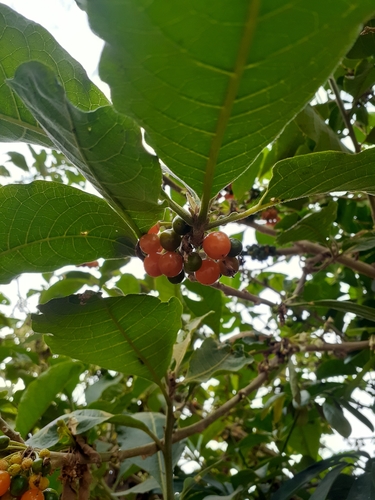
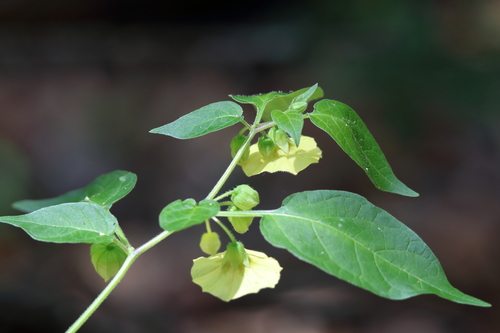
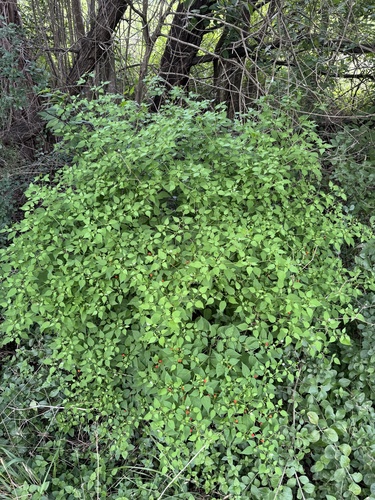
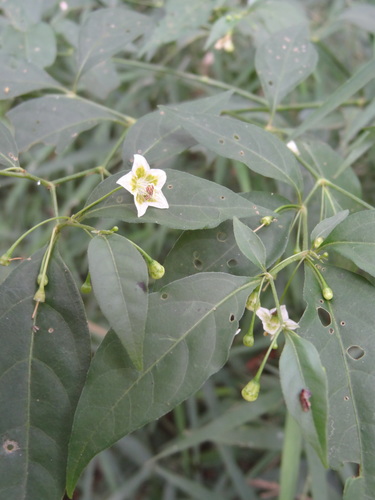
A herb or shrub. It can grow 2 m tall. The leaves are oval and 5-13 cm long by 2-5 cm wide. They have a waxy appearance. The flowers can be white, green or purple. The fruit are very small. They are 7 mm long and are green but turn red when ripe. The seeds are black.
How to Grow
Plants are grown from seeds.
Wikipedia
Source ↗Capsicum flexuosum is a member of the genus Capsicum, and is native to the New World, specifically the southern regions of Brazil. Unlike most other chili peppers, it is only mildly pungent and has issues with self-compatibility.
Names & Synonyms
Pimenta-brava, Pimenta-silvestre
References (7)
- Brack, P., et al, 2020, Frutas nativas do Rio Grande do Sul, Brasil: riqueza e potencial alimentício. Native fruits of Rio Grande do Sul, Brazil: richness and potential as food. Rodriguésia 71: e03102018
- Brazil: Biodiversity for Food and Nutrition
- Coradin, L. et al (Eds), 2011, Especies Nativas da Flora Brasileira de Valor Economico Atual ou Potencial. Brasilia MMA. p 220
- Kinupp, V. F., 2007, Plantas alimenticias nao-convencionais da regiao metropolitana de Porto Alegre, RS, Brazil p 101
- Wikipedia
- World Checklist of Useful Plant Species 2020. Royal Botanic Gardens, Kew
- www.tradewindsfruit.com