Laggera pterodonta
(DC.) Sch.Bip. ex Oliv.

iNaturalist · cc-by-nc
(c) heikev, some rights reserved (CC BY-NC)
(c) heikev, some rights reserved (CC BY-NC)

iNaturalist · cc-by-nc
(c) heikev, some rights reserved (CC BY-NC)
(c) heikev, some rights reserved (CC BY-NC)

iNaturalist · cc-by-nc
(c) heikev, some rights reserved (CC BY-NC)
(c) heikev, some rights reserved (CC BY-NC)
What to Eat
Edible parts: Leaves, Caution
The leaves are boiled and eaten, typically after being blanched in hot water then soaked in cold water before cooking.
Known Hazards
Where to Find It
It is a tropical plant. It can grow in partly shaded places.
Africa, Asia, Cameroon, China, Himalayas, India, Indochina, Myanmar, Nepal, Nigeria, Northeastern India, SE Asia, Senegal, Sierra Leone, Southern Africa, Tanzania, Thailand,
Countries: United Arab Emirates, Afghanistan, Armenia, Angola, Azerbaijan, Bangladesh, Burkina Faso, Bahrain, Burundi, Benin, Brunei, Bhutan, Botswana, Congo (DRC), Central African Republic, Congo (Republic), Cote d'Ivoire, Cameroon, China, Cape Verde, Djibouti, Algeria, Egypt, Eritrea, Ethiopia, Gabon, Georgia, Ghana, Gambia, Guinea, Equatorial Guinea, Guinea-Bissau, Indonesia, Israel, India, Iraq, Iran, Jordan, Japan, Kenya, Kyrgyzstan, Cambodia, Comoros, North Korea, South Korea, Kuwait, Kazakhstan, Laos, Lebanon, Sri Lanka, Liberia, Lesotho, Libya, Morocco, Madagascar, Mali, Myanmar, Mongolia, Mauritania, Mauritius, Maldives, Malawi, Malaysia, Mozambique, Namibia, Niger, Nigeria, Nepal, Oman, Philippines, Pakistan, Qatar, Rwanda, Saudi Arabia, Seychelles, Sudan, Singapore, Sierra Leone, Senegal, Somalia, South Sudan, Sao Tome & Principe, Syria, Eswatini, Chad, Togo, Thailand, Tajikistan, Timor-Leste, Turkmenistan, Tunisia, Turkey, Taiwan, Tanzania, Uganda, Uzbekistan, Vietnam, Yemen, South Africa, Zambia, Zimbabwe
How to Identify
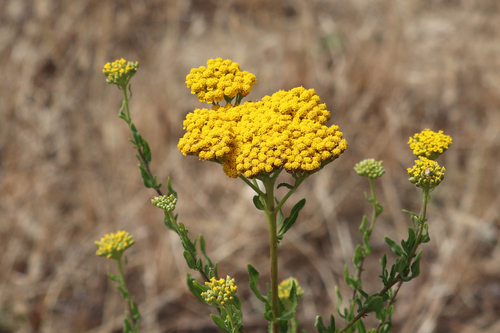
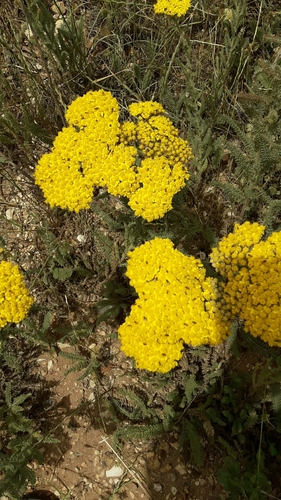
A tropical herb or shrub reaching 1.7 m tall in the daisy family, capable of growing in partly shaded conditions.
Medicinal Uses
The plant has antiviral medicinal uses.
Notes
It has antiviral medicinal uses.
Names & Synonyms
Ko kuna sigi, Taba agbe, Wo sa la ma
Blumea pterodonta DC.Conyza ctenoptera KunthLaggera crispata (Vah.) Hepper & J. R. I. WoodLaggera pterodonta (DC.) Benth. [Illegitimate]
References (2)
- Kar, A., et al, 2013, Wild Edible Plant Resources used by the Mizos of Mizoram, India. Kathmandu University Journal of Science, Engineering and Technology. Vol. 9, No. 1, July, 2013, 106-126 (As Blumea pterodonta)
- Luo, B., et al, 2019, Wild edible plants collected by Hani from terraced rice paddy agroecosystem in Honghe Prefecture, Yunnan, China. Journal of Ethnobiology and Ethnomedicine 15:56