Dendranthema morifolium
(Ramat.) Tzcelev
Florist's daisy

iNaturalist · cc-by-nc
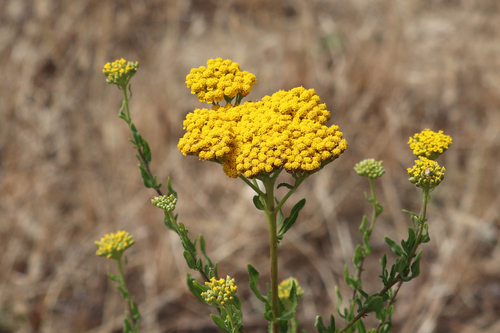
(c) Alec W, some rights reserved (CC BY-NC)
(c) Alec W, some rights reserved (CC BY-NC)

iNaturalist · cc-by-nc
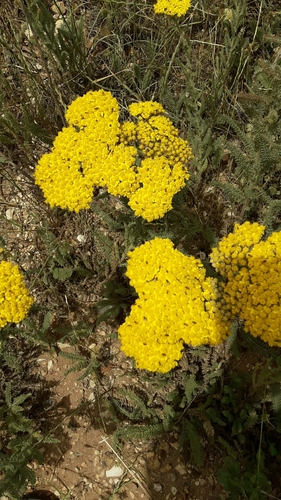
(c) Алексей Афонин, some rights reserved (CC BY-NC)
(c) Алексей Афонин, some rights reserved (CC BY-NC)
iNaturalist · cc-by-nc
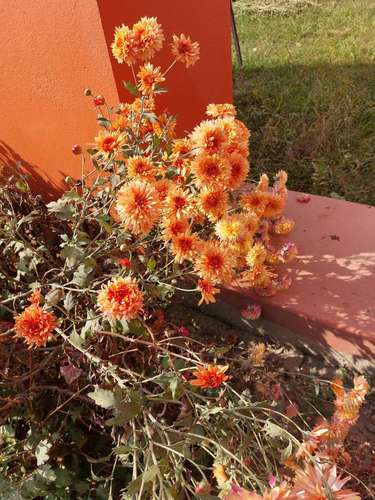
(c) shubham_pandey, some rights reserved (CC BY-NC)
(c) shubham_pandey, some rights reserved (CC BY-NC)
What to Eat
Edible parts: Flowers - tea
The flowers are dried and brewed as tea, and are also used in special culinary preparations.
Where to Find It
It is a temperate plant.
Asia, China,
Countries: United Arab Emirates, Afghanistan, Armenia, Azerbaijan, Bangladesh, Bahrain, Brunei, Bhutan, China, Georgia, Indonesia, Israel, India, Iraq, Iran, Jordan, Japan, Kyrgyzstan, Cambodia, North Korea, South Korea, Kuwait, Kazakhstan, Laos, Lebanon, Sri Lanka, Myanmar, Mongolia, Maldives, Malaysia, Nepal, Oman, Philippines, Pakistan, Qatar, Saudi Arabia, Singapore, Syria, Thailand, Tajikistan, Timor-Leste, Turkmenistan, Turkey, Taiwan, Uzbekistan, Vietnam, Yemen
How to Identify
A herb. It grows 60-150 cm tall. The stems are hairy. The leaves are alternate. They are narrowly oval and 5-15 cm long. They have lobes along the sides.
Names & Synonyms
Ju hau
Chrysanthemum morifolium Ramat.Chrysanthemum sinense var. hortense Makino ex Matsum.Dendranthema sinense (Sabine) Des Moul.Tanacetum morifolium (Ramat.) Kitam.
References (1)
- Lim, T. K., Edible Medicinal and Non-Medicinal Plants Volume 7 Flowers