Patrinia rupestris
(Pall.) Dufr.
CaprifoliaceaeLeaves

iNaturalist · cc-by-nc
(c) V.S. Volkotrub, some rights reserved (CC BY-NC), uploaded by V.S. Volkotrub
(c) V.S. Volkotrub, some rights reserved (CC BY-NC), uploaded by V.S. Volkotrub

iNaturalist · cc-by-nc
(c) V.S. Volkotrub, some rights reserved (CC BY-NC), uploaded by V.S. Volkotrub
(c) V.S. Volkotrub, some rights reserved (CC BY-NC), uploaded by V.S. Volkotrub

iNaturalist · cc-by-nc
(c) V.S. Volkotrub, some rights reserved (CC BY-NC), uploaded by V.S. Volkotrub
(c) V.S. Volkotrub, some rights reserved (CC BY-NC), uploaded by V.S. Volkotrub
What to Eat
Edible parts: Leaves
The leaves are eaten as a vegetable.
Where to Find It
It is a temperate plant. In Inner Mongolia. It grows on stony slopes and the edges of forests between 200-2,500 m above sea level in north China.
Asia, China, Korea, Mongolia, Russia, Siberia,
Countries: United Arab Emirates, Afghanistan, Armenia, Azerbaijan, Bangladesh, Bahrain, Brunei, Bhutan, China, Georgia, Indonesia, Israel, India, Iraq, Iran, Jordan, Japan, Kyrgyzstan, Cambodia, North Korea, South Korea, Kuwait, Kazakhstan, Laos, Lebanon, Sri Lanka, Myanmar, Mongolia, Maldives, Malaysia, Nepal, Oman, Philippines, Pakistan, Qatar, Russia, Saudi Arabia, Singapore, Syria, Thailand, Tajikistan, Timor-Leste, Turkmenistan, Turkey, Taiwan, Uzbekistan, Vietnam, Yemen
How to Identify
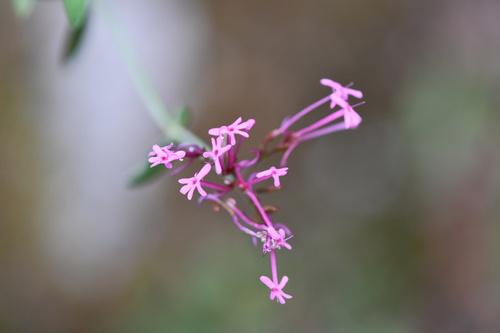
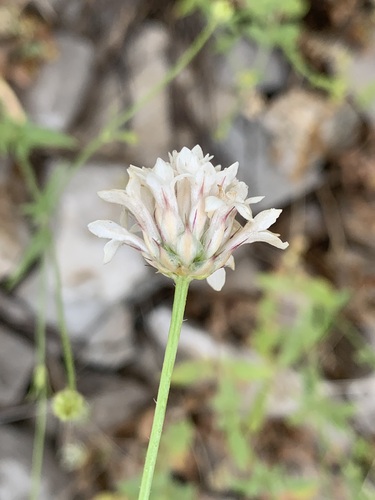
A herb. It keeps growing from year to year by re-growing from the base. It grows 20-100 cm tall. It has a taproot. The stem is slender. The stems are woody at the base and covered with the remains of old leaves. The leaves are 2-7 cm long by 1-3 cm wide. They usually have lobes or are divided along the stalk and there are rounded teeth along the edge. The flowers are funnel shaped and yellow.
Names & Synonyms
Valeriana rupestris Pall.
References (1)
- Khasbagan, Yeruhan and Zhao Hui, 2011, Study on Traditional Knowledge of Wild Edible Plants Used by the Mongolians in Xilingol Typical Steppe Area. Plant Diversity and Resources. 33(2): 239-246