Lonicera acuminata
Wall.
CaprifoliaceaeFlowers

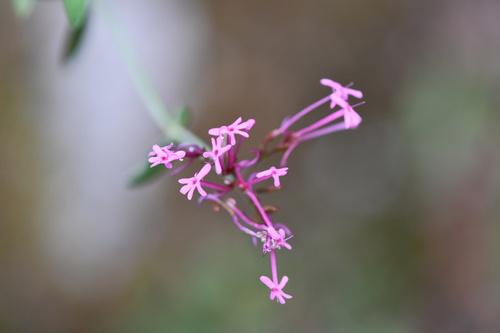
iNaturalist · cc-by-nc
(c) jenchai, some rights reserved (CC BY-NC)
(c) jenchai, some rights reserved (CC BY-NC)

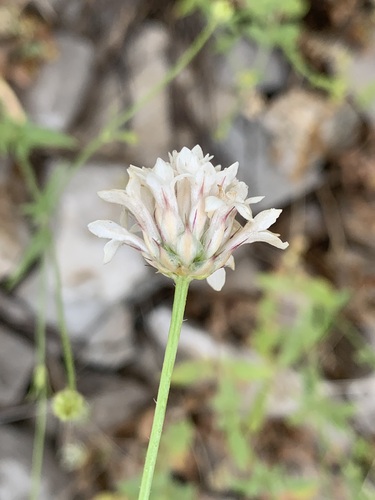
iNaturalist · cc-by-nc
(c) John D Reynolds, some rights reserved (CC BY-NC), uploaded by John D Reynolds
(c) John D Reynolds, some rights reserved (CC BY-NC), uploaded by John D Reynolds
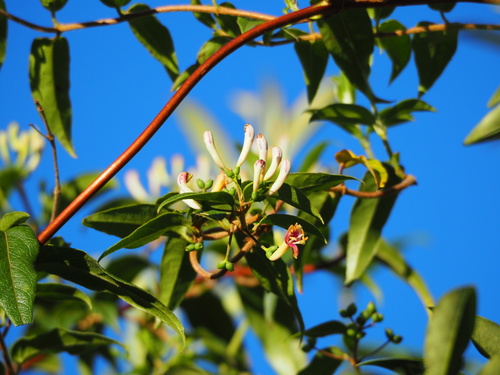
iNaturalist · cc0
no rights reserved, uploaded by 葉子
no rights reserved, uploaded by 葉子
What to Eat
Edible parts: Flowers
The flowers are edible.
Where to Find It
It is a subtropical plant. It grows in forests and scrub between 100-3,200 m above sea level. In Sichuan and Yunnan.
Asia, Bhutan, China, Himalayas, India, Myanmar, Nepal, Philippines, SE Asia, Taiwan, Tibet,
Countries: United Arab Emirates, Afghanistan, Armenia, Azerbaijan, Bangladesh, Bahrain, Brunei, Bhutan, China, Georgia, Indonesia, Israel, India, Iraq, Iran, Jordan, Japan, Kyrgyzstan, Cambodia, North Korea, South Korea, Kuwait, Kazakhstan, Laos, Lebanon, Sri Lanka, Myanmar, Mongolia, Maldives, Malaysia, Nepal, Oman, Philippines, Pakistan, Qatar, Saudi Arabia, Singapore, Syria, Thailand, Tajikistan, Timor-Leste, Turkmenistan, Turkey, Taiwan, Uzbekistan, Vietnam, Yemen
How to Identify
A climber. The branches usually become hollow. They have stiff, yellow-brown hairs. The leaves can be in rings of 3. The leaves are 3-13 cm long by 2-5 cm wide. The flowers occur in pairs in the axils of leaves near the ends of the branches. They are white tinged with red and can have yellow or orange.
Wikipedia
Source ↗Lonicera acuminata, commonly known as fragrant grove honeysuckle or vine honeysuckle, is a plant species of honeysuckle native to China, Southeast Asia and India.