Cirsium occidentale
(Nutt.) Jeps.
Cobwebby thistle

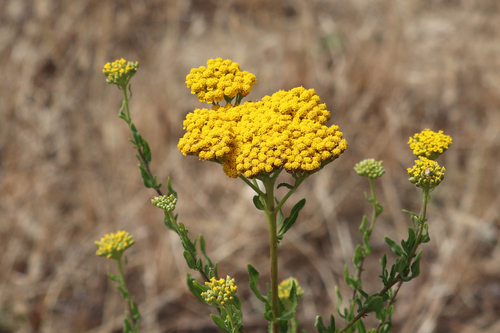
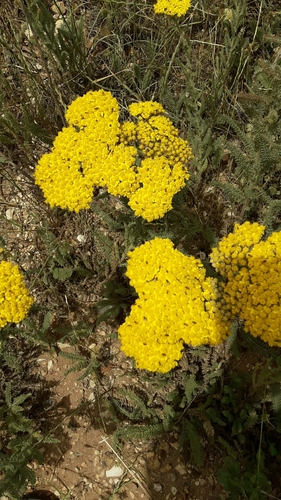
(c) Koa Lavery, some rights reserved (CC BY-NC-SA), uploaded by Koa Lavery

(c) atflory, some rights reserved (CC BY-NC)

(c) Tony Iwane, some rights reserved (CC BY-NC), uploaded by Tony Iwane
What to Eat
Edible parts: Root, Stem
The root is cooked and develops a pleasant flavour after prolonged boiling. It is likely rich in inulin, a starch the human body cannot digest, which passes straight through the digestive system and may ferment in some people, causing flatulence. The stem can be peeled and eaten raw.
Where to Find It
It is a temperate plant. It does best in full sun. It can grow in average soils but they should be well drained.
North America, USA,
How to Identify
A herb. It is a thistle which completes its life cycle over 2 years. It is a spiky plant. The leaves form a ring or rosette near the base. It grows 60-150 cm high and spreads 90 cm wide. The flower heads are in clusters and are spiny. There are white woolly bracts around the flower head. The flowers are bright red. The leaves are deeply divided and bear spikes.
How to Grow
Plants are grown from seed. The seed are sown directly. Plants should be 20-30 cm apart. Plants reseed easily.
Propagation: Sow seed in early spring or autumn directly in situ. Germination typically occurs within 2–8 weeks at 20°C. Can also be propagated by division in spring or autumn.
Medicinal Uses
None known.
Other Uses
The seeds of all thistle species yield a useful oil by expression. No details on potential yields are available.
Wikipedia
Source ↗Cirsium occidentale, with the common name cobweb thistle or cobwebby thistle, is a North American species of thistle in the family Asteraceae.
Notes
There are about 150-250 Cirsium species. They grow in temperate regions.
References (3)
- Beckstrom-Sternberg, Stephen M., and James A. Duke. "The Foodplant Database." http://probe.nalusda.gov:8300/cgi-bin/browse/foodplantdb.(ACEDB version 4.0 - data version July 1994)
- Burnie, G. (Ed.), 2003, Annuals and Bulbs. The Gardener's Handbooks. Fog City Press. p 140
- Plants for a Future database, The Field, Penpol, Lostwithiel, Cornwall, PL22 0NG, UK. http://www.scs.leeds.ac.uk/pfaf/