Antennaria microphylla
Rydb.
Pussy-toes
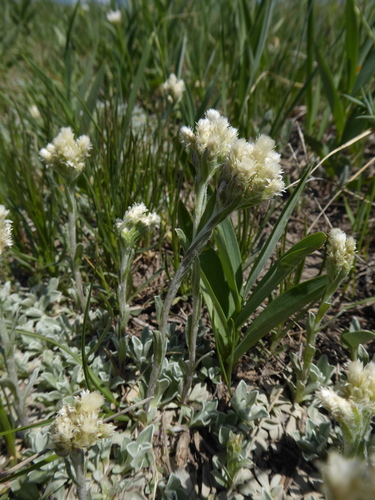
(c) Annette Le Faive, some rights reserved (CC BY-NC), uploaded by Annette Le Faive

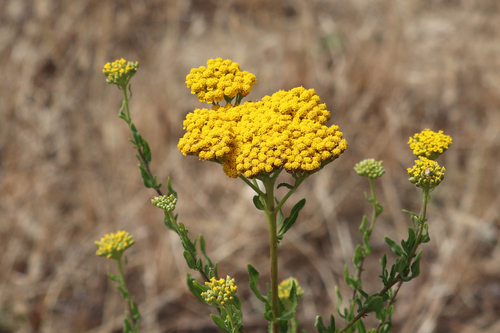
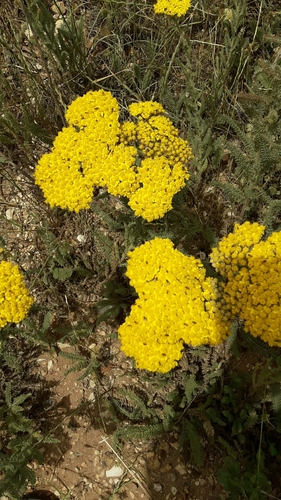
no rights reserved, uploaded by msieges

(c) Matt Lavin, some rights reserved (CC BY-SA)
What to Eat
Edible parts: Leaves
The leaves are eaten.
Where to Find It
It is a temperate plant.
North America, USA,
How to Identify
A temperate herb of the daisy family (Asteraceae) with edible leaves.
Wikipedia
Source ↗Antennaria microphylla (littleleaf pussytoes, rosy pussytoes, pink pussytoes, small pussytoes, dwarf everlasting) is a stoloniferous perennial forb in the family Asteraceae. It is widespread across northern and western North America, from Alaska and the three Canadian Arctic territories east to Quebec and south to Minnesota, New Mexico, and California. Antennaria microphylla can be found growing in plains, hills, dry meadow, and open wood habitats. It is a small herb with male and female flowers on separate plants. It grows from 1.2 to 12 inches (3.0 to 30.5 cm) with spoon shaped or oblong leaves; it blossoms from late May to July. The Columbian ground squirrel feeds on Litteleaf pussytoes.
Names & Synonyms
Pe-de-gato
References (1)
- Kermath, B. M., et al, 2014, Food Plants in the Americas: A survey of the domesticated, cultivated and wild plants used for Human food in North, Central and South America and the Caribbean. On line draft. p 75