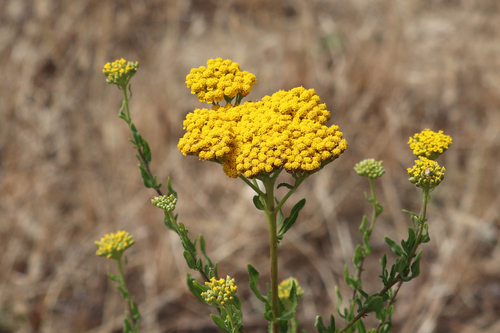
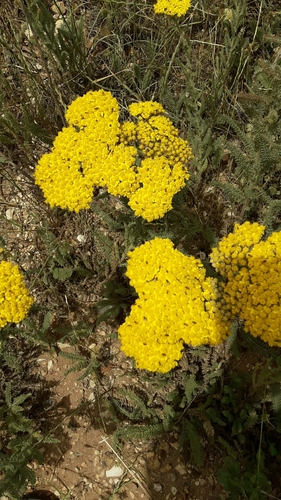
Antennaria neglecta
Greene
Cat's claw, Cat's paw
AsteraceaeLeaves

iNaturalist · cc-by-nc
(c) Jennifer Danhaus, some rights reserved (CC BY-NC), uploaded by Jennifer Danhaus
(c) Jennifer Danhaus, some rights reserved (CC BY-NC), uploaded by Jennifer Danhaus

iNaturalist · cc-by-nc
(c) Dra. Leah, some rights reserved (CC BY-NC), uploaded by Dra. Leah
(c) Dra. Leah, some rights reserved (CC BY-NC), uploaded by Dra. Leah
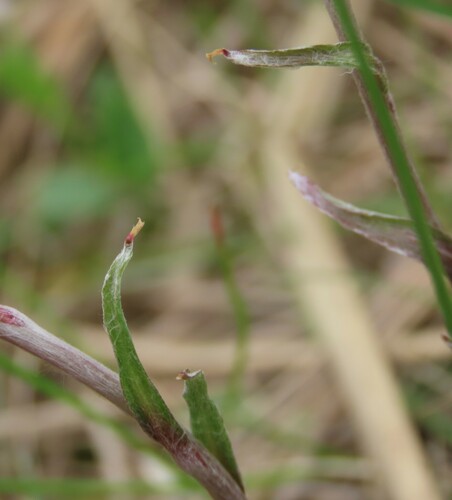
iNaturalist · cc-by-nc
(c) csledge, some rights reserved (CC BY-NC), uploaded by csledge
(c) csledge, some rights reserved (CC BY-NC), uploaded by csledge
What to Eat
Edible parts: Leaves
The leaves are chewed like gum.
Where to Find It
It is a temperate plant.
North America, USA,
Countries: Antigua & Barbuda, Barbados, Bahamas, Belize, Canada, Costa Rica, Cuba, Dominica, Dominican Republic, Grenada, Guatemala, Honduras, Haiti, Jamaica, St Kitts & Nevis, St Lucia, Mexico, Nicaragua, Panama, Puerto Rico, El Salvador, Trinidad & Tobago, United States, St Vincent
How to Identify
A temperate herb in the Asteraceae family with common names Cat's claw and Cat's paw.
Wikipedia
Source ↗Antennaria neglecta is a North American species of flowering plants in the family Asteraceae known by the common name field pussytoes. It is widespread across much of Canada (including Northwest Territories plus all provinces except Newfoundland and Labrador) as well as the northeastern and north-central United States. Antennaria neglecta is an herb up to 25 cm (10 inches) tall with as many as 8 flowering heads per plant. Male and female flowers are borne on separate plants, some populations being composed entirely of female plants.
Names & Synonyms
Many
References (1)
- Kermath, B. M., et al, 2014, Food Plants in the Americas: A survey of the domesticated, cultivated and wild plants used for Human food in North, Central and South America and the Caribbean. On line draft. p 75