Cirsium palustre
(L.) Scop.
Marsh thistle
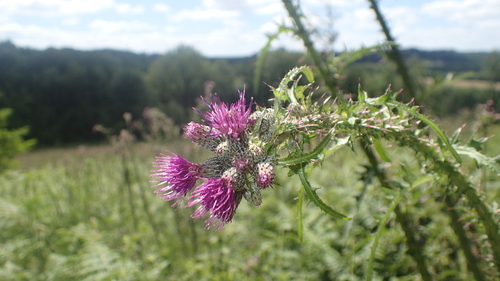
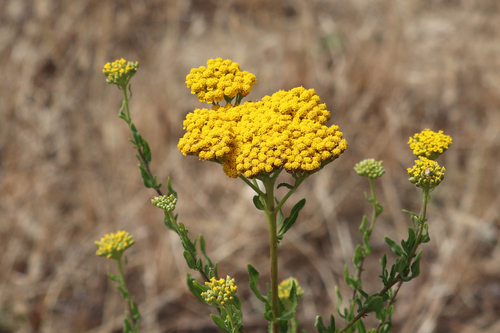
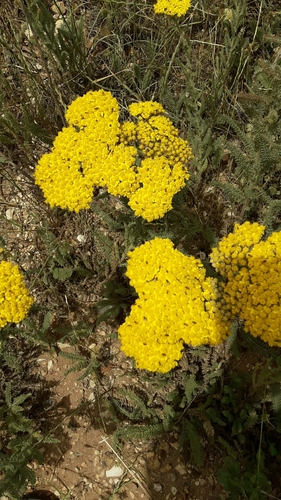
(c) Pieropan, some rights reserved (CC BY-NC), uploaded by Pieropan

(c) birkenfeld, some rights reserved (CC BY-NC)

(c) Tatiana Strus, some rights reserved (CC BY), uploaded by Tatiana Strus
What to Eat
Edible parts: Leaves, Stalks, Roots
Leaves and young shoots can be eaten raw or cooked. The stems are also edible raw or cooked, prepared similarly to asparagus or rhubarb. Flower stalks are peeled and eaten raw or cooked.
Where to Find It
It is a temperate plant. It grows in damp places and marshes.
Asia, Britain, Europe, Luxembourg, New Zealand, Norway, Scandinavia, Slovenia, Sweden, Turkey, Türkiye,
How to Identify
A herb. It is a thistle. It takes 2 years to complete its life cycle. It grows 1.5 m tall. The stems have spiny wings. The leaves have lobes. The leaves on the stem have more distinct lobes. The leaves are dark green with purple tints. They are hairy but shiny. The leaves at the base have stalks and spines.
How to Grow
Propagation: Sow seed in early spring or autumn in situ. Germination usually takes place within 2–8 weeks at 20°C.
Medicinal Uses
None known
Other Uses
The seed fluff is used as tinder. The seed, as with all thistle species, yields a good oil by expression. No details of potential yields are given. Attracts wildlife.
Wikipedia
Source ↗Cirsium palustre, the marsh thistle or European swamp thistle, is a herbaceous biennial (or often perennial) flowering plant in the family Asteraceae.
Notes
There are about 150-250 Cirsium species. They grow in temperate regions.
Names & Synonyms
Močvirski osat, Myrtistel
References (8)
- Facciola, S., 1998, Cornucopia 2: a Source Book of Edible Plants. Kampong Publications, p 37
- Fl. carniol. ed. 2, 2:128. 1772
- Girard, N. J., 2020, Sustainable Foraging of Wild Edible Plants in Norway. A Biocultural Approach. M. Sc. thesis Norwegian University. p 128
- Hedrick, U.P., 1919, (Ed.), Sturtevant's edible plants of the world. p 205 (As Cnicus palustre)
- Irving, M., 2009, The Forager Handbook, A Guide to the Edible Plants of Britain. Ebury Press p 148
- Low, T., 1991, Wild Herbs of Australia and New Zealand. Angus & Robertson. p 34
- Mabey, R., 1973, Food for Free. A Guide to the edible wild plants of Britain, Collins. p 114
- Plants for a Future database, The Field, Penpol, Lostwithiel, Cornwall, PL22 0NG, UK. http://www.scs.leeds.ac.uk/pfaf/