Capsicum galapagoense
Hunz.
Galapagos Islands pepper

iNaturalist · cc-by-nc-sa
(c) MBG, some rights reserved (CC BY-NC-SA)
(c) MBG, some rights reserved (CC BY-NC-SA)

gbif · cc0
President and Fellows of Harvard College
President and Fellows of Harvard College
What to Eat
Edible parts: Fruit - spice
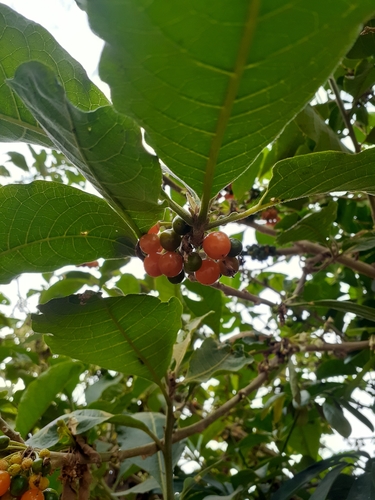
The small red fruits are used as a spice.
Known Hazards
Where to Find It
It is a tropical plant.
Ecuador, Galapagos, South America,
How to Identify
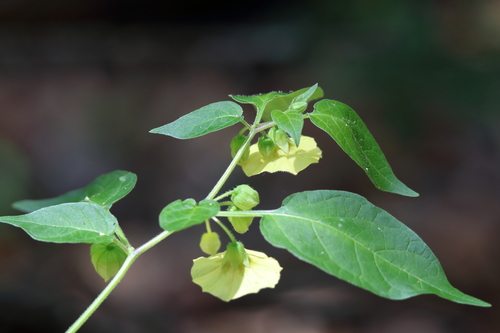
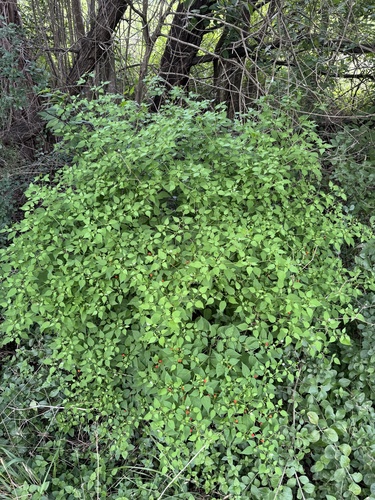
A herb. It grows about 1 m tall. The leaves are hairy. Flowers are small and white. The fruit are small and red.
How to Grow
Plants can be grown from seeds. Seeds are often slow to germinate.
References (3)
- Kermath, B. M., et al, 2014, Food Plants in the Americas: A survey of the domesticated, cultivated and wild plants used for Human food in North, Central and South America and the Caribbean. On line draft. p 182
- Samuels, J., 2015, Biodiversity of Food Species of the Solonaceae Family: A Preliminary Taxonomic Inventory of Subfamily Solanoideae. Resources 2015, 4. 277-322
- www.tradewindsfruit.com