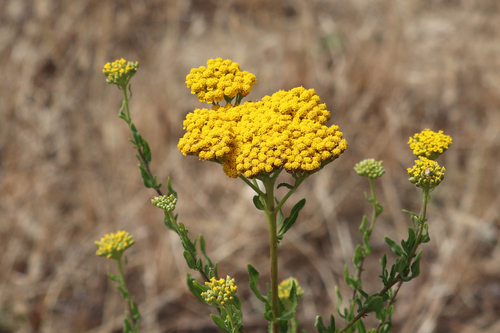
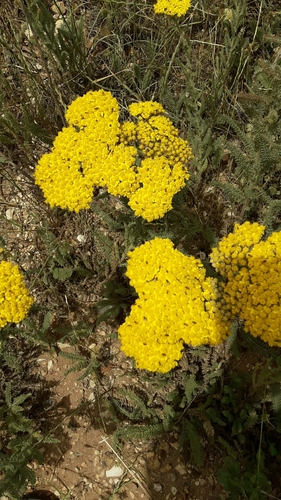
Cirsium horridulum
Michx.
Bull thistle, Purple thistle, Spiny thistle

(c) Mary Keim, some rights reserved (CC BY-NC-SA)

(c) Andy Newman, some rights reserved (CC BY-NC)

(c) Sabine Atteln, some rights reserved (CC BY-NC), uploaded by Sabine Atteln
What to Eat
Edible parts: Leaves
The leaves are cooked as salad greens and as a cooked vegetable.
Where to Find It
It is a temperate plant.
Mexico, North America, USA,
How to Identify
A temperate thistle herb in the Asteraceae family. The leaves are edible and traditionally cooked as salad greens or as a cooked vegetable.
Wikipedia
Source ↗Cirsium horridulum, called bristly thistle, purple thistle, or yellow thistle is a North American species of plants in the tribe Cardueae within the family Asteraceae. It is an annual or biennial. The species is native to the eastern and southern United States from New England to Florida, Texas, and Oklahoma as well as to Mexico, Belize, Guatemala, Honduras, and the Bahamas. Thomas Nuttall (1786-1859) described var. megacanthum as "one of the most terribly armed plants in the genus."
Names & Synonyms
Yellow thistle
References (2)
- Kermath, B. M., et al, 2014, Food Plants in the Americas: A survey of the domesticated, cultivated and wild plants used for Human food in North, Central and South America and the Caribbean. On line draft. p 231
- Tozer, F., 2007, The Uses of Wild Plants. Green Man Publishing. p 69