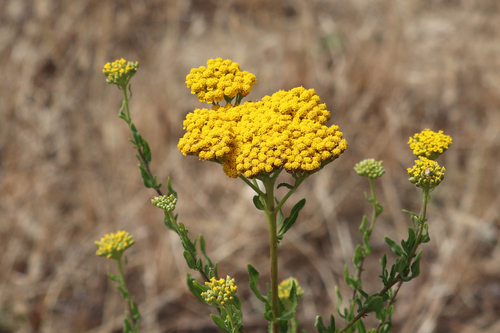
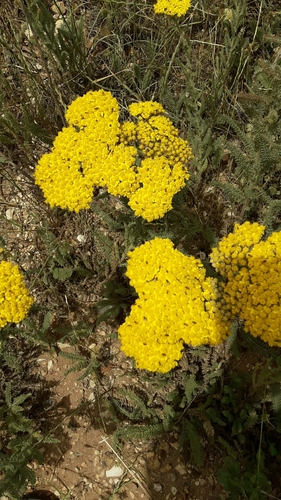
Cirsium serratuloides
Hill
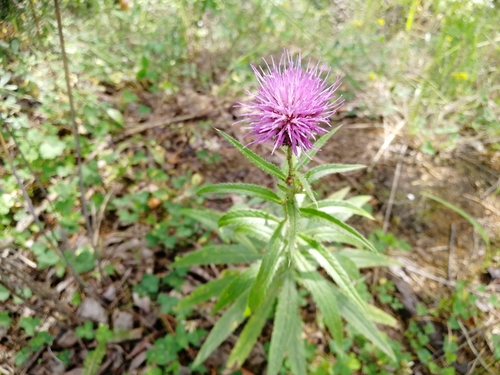
(c) ranchich_mila, some rights reserved (CC BY-NC)
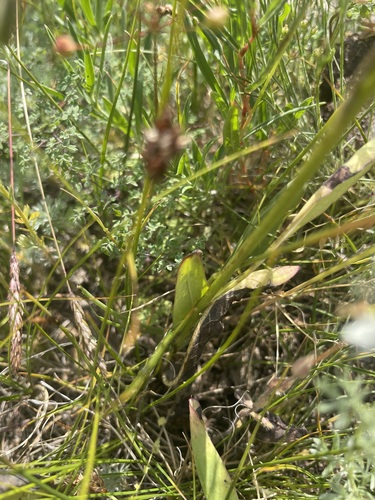
(c) B.Byambajav, some rights reserved (CC BY-NC)
What to Eat
Edible parts: Root
The root is edible cooked and is likely to be rich in inulin, a starch that cannot be digested by humans. This starch passes straight through the digestive system and, in some people, ferments to produce flatulence.
Where to Find It
It is a temperate plant. It grows on mountain slopes and beside rivers between 1,200-2,600 m above sea level in western China.
Asia, China, Mongolia, Russia, Siberia,
How to Identify
A herb. It is a thistle. It grows 1.2 m tall. It keeps growing from year to year. The leaves are 10-15 cm long by 2-3 cm wide. The upper leaves are smaller.
How to Grow
Propagation: Sow seed in early spring or autumn in situ. Germination usually takes place within 2–8 weeks at 20°C. Can also be propagated by division in spring or autumn.
Medicinal Uses
None known
Other Uses
The seed, as with all thistle species, yields a good oil by expression. No details of potential yields are given.
Wikipedia
A perennial thistle reaching 1.2 m tall with hermaphroditic flowers blooming July to October and seeds maturing through October. Pollinated by bees, flies, moths, butterflies, and beetles; self-fertile. Thrives in light sandy, medium loamy, or heavy clay soils across mildly acidic to basic pH ranges. Requires full sun and prefers moist conditions.
Notes
There are about 150-250 Cirsium species. They grow in temperate regions.
Names & Synonyms
References (3)
- Hedrick, U.P., 1919, (Ed.), Sturtevant's edible plants of the world. p 205 (As Cnicus serratuloides)
- Plants for a Future database, The Field, Penpol, Lostwithiel, Cornwall, PL22 0NG, UK. http://www.scs.leeds.ac.uk/pfaf/
- Urgamal, M., Oyuntsetseg, B., Nyambayar, D. & Dulamsuren, Ch. 2014. Conspectus of the vascular plants of Mongolia. (Editors: Sanchir, Ch. & Jamsran, Ts.). Ulaanbaatar, Mongolia. “Admon“ Press. 334pp. (p. 199-230).