Euthamia graminifolia
(L.) Nutt.

iNaturalist · cc-by-nc
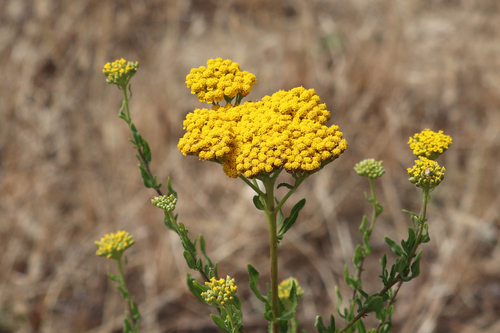
(c) Greg Maher, some rights reserved (CC BY-NC), uploaded by Greg Maher
(c) Greg Maher, some rights reserved (CC BY-NC), uploaded by Greg Maher

iNaturalist · cc-by-nc
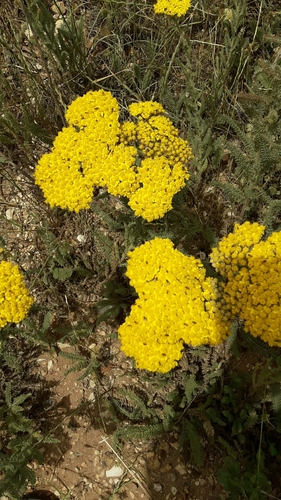
(c) Christopher David Benda, some rights reserved (CC BY-NC), uploaded by Christopher David Benda
(c) Christopher David Benda, some rights reserved (CC BY-NC), uploaded by Christopher David Benda

iNaturalist · cc-by-sa
(c) Douglas Goldman, some rights reserved (CC BY-SA), uploaded by Douglas Goldman
(c) Douglas Goldman, some rights reserved (CC BY-SA), uploaded by Douglas Goldman
What to Eat
Edible parts: Leaves - tea
The leaves are used for tea.
Where to Find It
It is a temperate plant.
North America,
Countries: Antigua & Barbuda, Barbados, Bahamas, Belize, Canada, Costa Rica, Cuba, Dominica, Dominican Republic, Grenada, Guatemala, Honduras, Haiti, Jamaica, St Kitts & Nevis, St Lucia, Mexico, Nicaragua, Panama, Puerto Rico, El Salvador, Trinidad & Tobago, United States, St Vincent
How to Identify
A temperate herb in the daisy family (Asteraceae).
Wikipedia
Source ↗Euthamia graminifolia, the grass-leaved goldenrod or flat-top goldenrod, is a North American species of plants in the family Asteraceae. It is native to much of Canada (from Newfoundland to British Columbia), and the northern and eastern United States (primarily the Northeast, the Great Lakes region, and the Ohio Valley, with additional populations in the Southeast, the Great Plains, and a few scattered locations in the Pacific Northwest). There are also introduced populations in Europe and Asia.
Names & Synonyms
Aster graminifolius (L.) KuntzeSolidago graminifolia (L.) Salisb.and many others
References (1)
- Kermath, B. M., et al, 2014, Food Plants in the Americas: A survey of the domesticated, cultivated and wild plants used for Human food in North, Central and South America and the Caribbean. On line draft. p 363