Potalia amara
Aubl.
GentianaceaeFruit
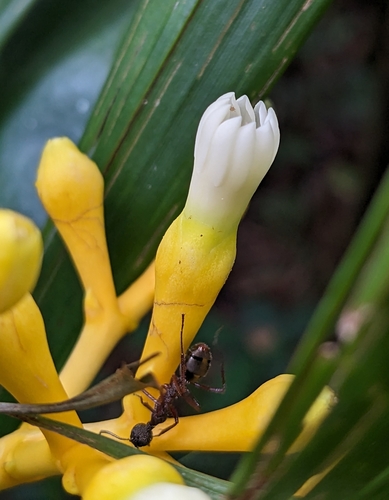
iNaturalist · cc-by-nc
(c) accidentalshrike, some rights reserved (CC BY-NC), uploaded by accidentalshrike
(c) accidentalshrike, some rights reserved (CC BY-NC), uploaded by accidentalshrike
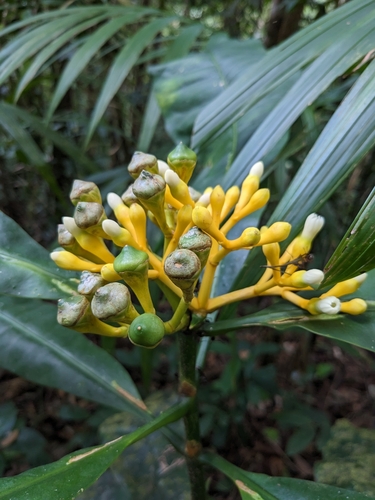
iNaturalist · cc-by-nc
(c) accidentalshrike, some rights reserved (CC BY-NC), uploaded by accidentalshrike
(c) accidentalshrike, some rights reserved (CC BY-NC), uploaded by accidentalshrike

iNaturalist · cc-by-nc
(c) Guillaume Léotard, some rights reserved (CC BY-NC), uploaded by Guillaume Léotard
(c) Guillaume Léotard, some rights reserved (CC BY-NC), uploaded by Guillaume Léotard
What to Eat
Edible parts: Fruit
The fruit are eaten.
Where to Find It
It is a tropical plant. It grows from sea level to 100 m above sea level.
Bolivia, Brazil, Central America, Costa Rica, Ecuador, French Guiana, Nicaragua, Panama, Peru, South America, Suriname,
How to Identify
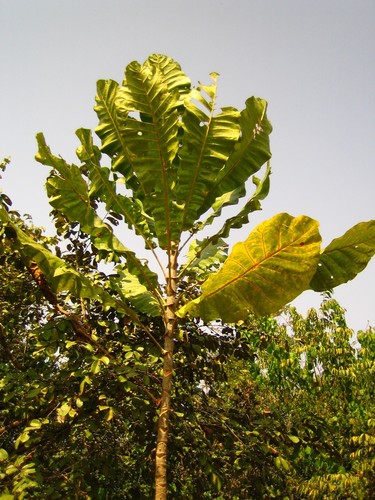
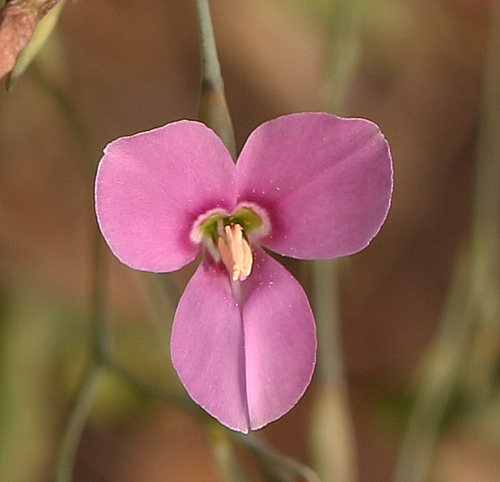
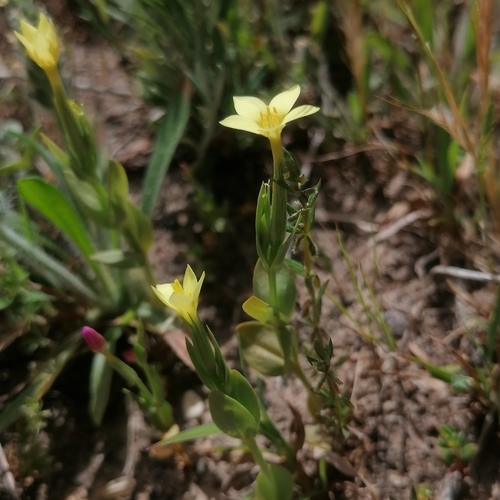
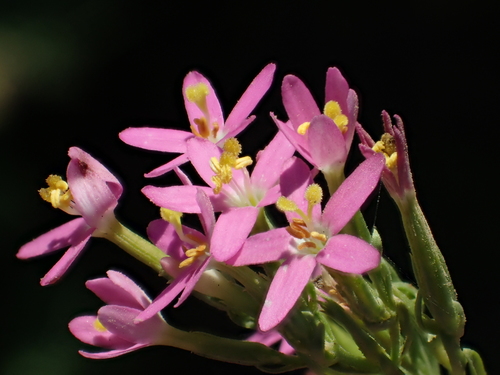
A shrub or small tree. It grows 5 m tall. The leaves are opposite and broadly sword shaped. They are 30-70 cm long by 9-18 cm wide. There are many flowers in a group at the ends of the branches. The fruit are green and turn reddish-green when mature. They are 11-15 mm long by 10-15 mm wide. The seeds are dark brown and 4 mm long by 2 mm wide.
Notes
Also put in the families Loganiaceae and Potaliaceae.
Names & Synonyms
Anabi, Bokokini, Curarina, Pau-de-cobra, Sacha curarina
Nicandra amara (Aubl.) Gmel.
References (1)
- Kermath, B. M., et al, 2014, Food Plants in the Americas: A survey of the domesticated, cultivated and wild plants used for Human food in North, Central and South America and the Caribbean. On line draft. p 680