Solanum perlongistylum
G. J. Anderson, Martine, Prohens & Nuez

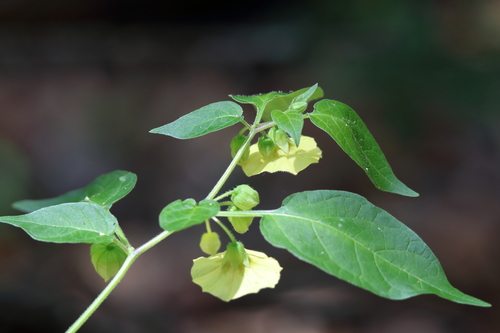
Photo by and (c)2006 Derek Ramsey (Ram-Man) (via Wikimedia Commons)
What to Eat
Edible parts: Fruit
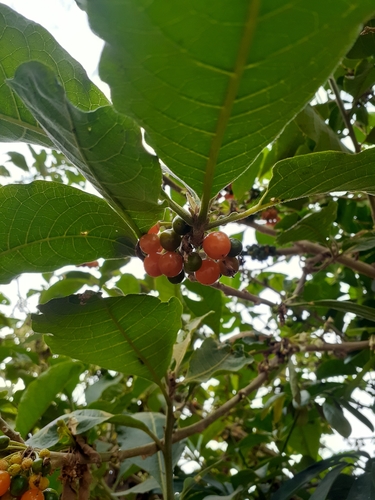
Fruit - raw. Perceptions on edibility vary in different areas, ranging from inedible to edible and sweet tasting. The globose fruit is pale green or yellowish-green with darker green or purple-black stripes; it is around 22 - 27mm in diameter.
Known Hazards
Where to Find It
It is a tropical plant. In Peru it grows between 2,100-3,200 m above sea level.
Andes, Peru, South America,
How to Identify
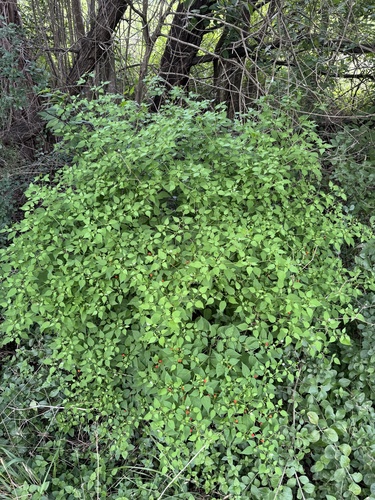
A trailing or climbing shrub. The branches are 1 m long and arch over. It can form new roots at the nodes. The fruit are pale green and can have darker stripes. It is 2-3 cm across.
How to Grow
Propagation: Seed - sow in trays in a nursery. Prick out the seedlings into individual pots when they are large enough to handle and grow them on fast. Plant them out when 10cm or more tall. Cuttings of half-ripe wood. Very easy, the cuttings root within a couple of weeks. Division
Wikipedia
Source ↗Solanum perlongistylum is an evergreen vine in the family Solanaceae. It is endemic to Peru, and is a close relative of S. muricatum, the domesticated pepino. Its style is the longest in the group, and its flowers have a higher pollen:ovule ratio. It is self-incompatible. It is diploid at n = 12. Together with Solanum catilliflorum, it might be an allopatric variant of S. caripense.
Notes
It is a rare plant and at risk.