Physalis gracilis
Miers

iNaturalist · cc-by-nc
(c) Mario Montero-Guzmán, some rights reserved (CC BY-NC), uploaded by Mario Montero-Guzmán
(c) Mario Montero-Guzmán, some rights reserved (CC BY-NC), uploaded by Mario Montero-Guzmán

iNaturalist · cc-by-nc
(c) Mario Montero-Guzmán, some rights reserved (CC BY-NC), uploaded by Mario Montero-Guzmán
(c) Mario Montero-Guzmán, some rights reserved (CC BY-NC), uploaded by Mario Montero-Guzmán

iNaturalist · cc-by-nc
(c) Mario Montero-Guzmán, some rights reserved (CC BY-NC), uploaded by Mario Montero-Guzmán
(c) Mario Montero-Guzmán, some rights reserved (CC BY-NC), uploaded by Mario Montero-Guzmán
What to Eat
Edible parts: Leaves, Fruit
Fruit - raw. A sweet flavour. The yellow, globose fruit is 8 - 10mm in diameter with numerous small seeds.
Known Hazards
Where to Find It
It is a subtropical plant.
Ecuador, Mexico, South America*,
How to Identify
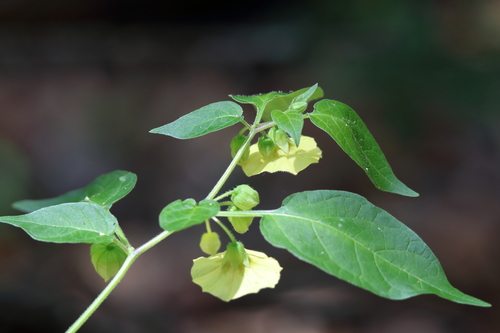
A subtropical herb in the nightshade family with edible leaves and fruit.
How to Grow
Physalis gracilis is a plant of the moist tropics.
Medicinal Uses
The plant is used medicinally. No more information.
Other Uses
Physalis gracilis is a wild relative of, and potential gene donor to Cape gooseberry (Physalis peruviana), low ground-cherry Physalis pubescens) and tomatillo (Physalis ixocarpa.
Names & Synonyms
Champ lulh, Costomate, Tomate, Tomatillo, Yurankmis
References (4)
- Mapes, C. & Basurto, F., 2016, Biodiversity and Edible Plants of Mexico. Chapter 5 in R. Lira, et al. (eds.), Ethnobotany of Mexico, Ethnobiology, Springer. p 107
- Pena, F. B., et al, 1998, Los quelites de la Sierra Norte de Puebla, Mexico: Inventory Y Formas de Preparacion. Bol. Soc. Bot. Mexico 62:49-62
- Piedra-Malagón, E. M., et al, 2022, Edible native plants of the Gulf of Mexico Province. Biodiversity Data Journal 10: e80565 p 31
- Torre, de la, L., et al, 2008, Enciclopedia de las Plantas Útiles del Ecuador. Herbario QCA. Pontificia Universidad Católica del Ecuador. p 587