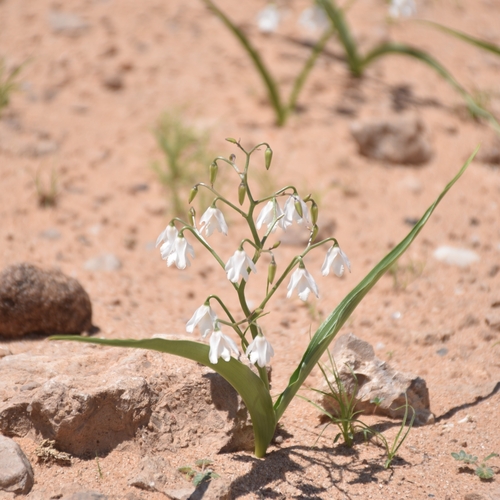
Conanthera campanulata
Lindl.

(c) pau_miranda, some rights reserved (CC BY-NC)
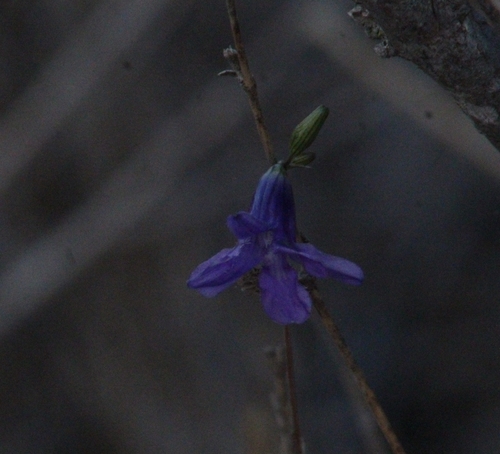
(c) Francisco Riquelme Tapia, some rights reserved (CC BY-NC)
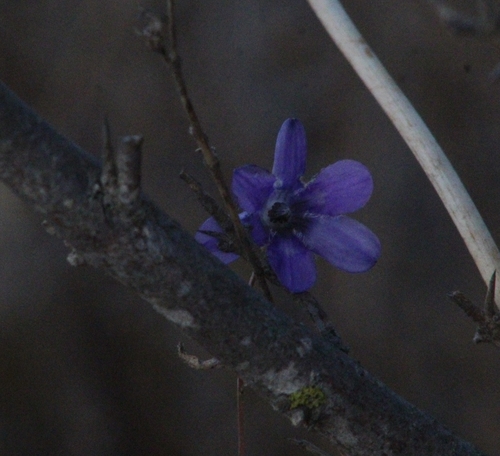
(c) Francisco Riquelme Tapia, some rights reserved (CC BY-NC)
What to Eat
Edible parts: Root, Bulb
The roots are edible when cooked.
Where to Find It
It is a tropical plant.
Chile*, South America,
How to Identify
Conanthera campanulata is a bulb reaching 0.3 m (1 ft) tall. Hardy to UK zone 9. Flowers appear in June. The plant is hermaphrodite and insect-pollinated. It thrives in light sandy to medium loamy, well-drained soils with mildly acid to basic pH. It requires full sun and prefers moist soil conditions.
How to Grow
Prefers a very well drained sandy peat and a warm sheltered position. This species is not very hardy and is difficult to keep in British gardens, it requires protection from severe frosts and rain in the winter. A pane of glass supported over the plant is often sufficient. Best results are obtained from growing the plant in a frame. The bulbs can also be lifted in early autumn and stored in a cool dry but frost-free place over winter and then planted out in early spring.
Propagation: Sow seed in early spring in a warm greenhouse, sowing thinly so young plants can develop undisturbed in the pot for their first year. Give occasional liquid feeds during the growing season to prevent nutrient deficiency. When plants go dormant, pot up the small bulbs, placing two or three per pot, and grow on for at least two more years in the greenhouse before planting out during dormancy. Can also be propagated by division of offsets.
Medicinal Uses
None known
Other Uses
None known
Wikipedia
Source ↗Conanthera campanulata is a bulb reaching 0.3 m (1 ft) tall. Hardy to UK zone 9. Flowers appear in June. The plant is hermaphrodite and insect-pollinated. It thrives in light sandy to medium loamy, well-drained soils with mildly acid to basic pH. It requires full sun and prefers moist soil conditions.
Notes
There are 5 Conanthera species in tropical America.
Names & Synonyms
References (4)
- Heywood, V.H., Brummitt, R.K., Culham, A., and Seberg, O., 2007, Flowering Plant Families of the World. Royal Botanical Gardens, Kew. p 404
- Kermath, B. M., et al, 2014, Food Plants in the Americas: A survey of the domesticated, cultivated and wild plants used for Human food in North, Central and South America and the Caribbean. On line draft. p 257 (As Conanthera simsii)
- Leon-Lobos, P., et al, 2022, Patterns of Traditional and Modern Uses of Wild Edible Native Plants of Chile: Challenges and Future Perspectives. Plants (Basel) v 11 (6) Table S1
- Plants for a Future database, The Field, Penpol, Lostwithiel, Cornwall, PL22 0NG, UK. http://www.scs.leeds.ac.uk/pfaf/