Physalis orizabae
Dunal

iNaturalist · cc-by-nc
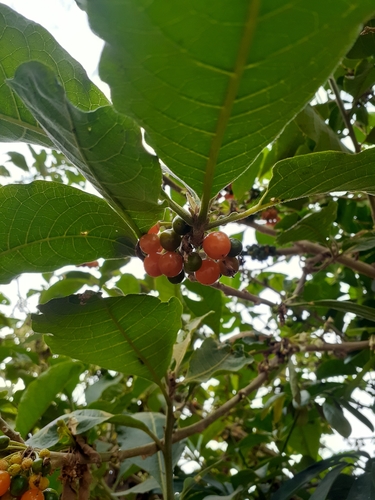
(c) Zaira Lizbeth Nava Martínez, some rights reserved (CC BY-NC)
(c) Zaira Lizbeth Nava Martínez, some rights reserved (CC BY-NC)

iNaturalist · cc-by-nc
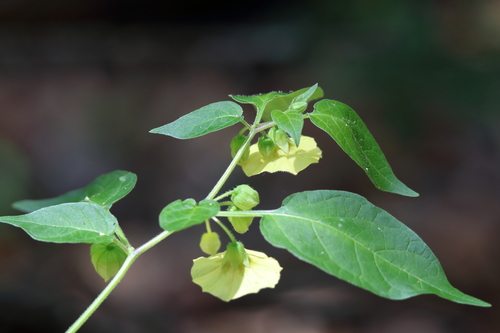
(c) Zaira Lizbeth Nava Martínez, some rights reserved (CC BY-NC)
(c) Zaira Lizbeth Nava Martínez, some rights reserved (CC BY-NC)

iNaturalist · cc-by-nc
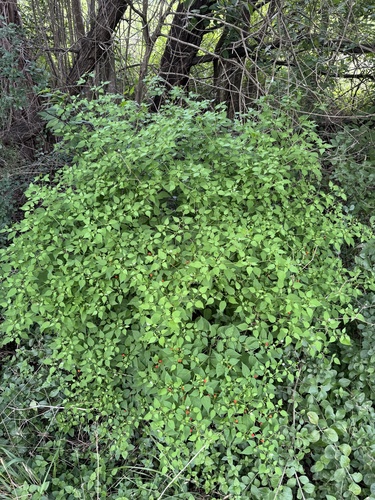
(c) Zaira Lizbeth Nava Martínez, some rights reserved (CC BY-NC)
(c) Zaira Lizbeth Nava Martínez, some rights reserved (CC BY-NC)
What to Eat
Edible parts: Fruit
The fruit is eaten.
Known Hazards
How to Identify
A subtropical herb in the Solanaceae family.
How to Grow
Physalis orizabae is a plant of the wet tropics
Medicinal Uses
The plant is used medicinally.
Other Uses
This species is a wild relative of, and potential gene donor to the crops tomatillo (Physalis ixocarpa), low-ground cherry (Physalis pubescens), and Cape gooseberry (Physalis peruviana).
Names & Synonyms
Juatomate amarillo, Tomate de bota
Physalis subintegra Fernald
References (3)
- Cruz, I. M., et al, 2015, Edible fruits and seeds in the State of Mexico. Revista Mexicana de Ciencias Agricolas. Vol. 6. Num. 2 pp 331-346
- Piedra-Malagón, E. M., et al, 2022, Edible native plants of the Gulf of Mexico Province. Biodiversity Data Journal 10: e80565 p 31
- Segura, S., et al, 2018, The edible fruit species in Mexico. Genet Resour Crop Evol (2018) 65:1767–1793