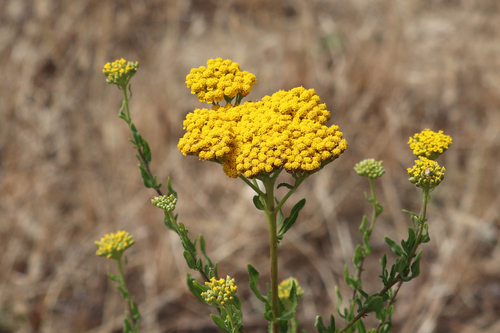
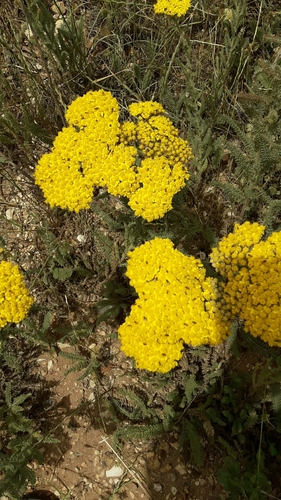
Artemisia austriaca
Jacq.

iNaturalist · cc-by-nc
(c) Sergey Mayorov, some rights reserved (CC BY-NC), uploaded by Sergey Mayorov
(c) Sergey Mayorov, some rights reserved (CC BY-NC), uploaded by Sergey Mayorov

iNaturalist · cc-by-nc
(c) Sebastian J. Dunkl, some rights reserved (CC BY-NC), uploaded by Sebastian J. Dunkl
(c) Sebastian J. Dunkl, some rights reserved (CC BY-NC), uploaded by Sebastian J. Dunkl

iNaturalist · cc-by-nc
(c) Sebastian J. Dunkl, some rights reserved (CC BY-NC), uploaded by Sebastian J. Dunkl
(c) Sebastian J. Dunkl, some rights reserved (CC BY-NC), uploaded by Sebastian J. Dunkl
What to Eat
Edible parts: Leaves - spice
The young leaves are used as a spice for flavouring drinks.
Where to Find It
It is a temperate plant.
Armenia, Caucasus, Central Asia, Europe, Tajikistan, Turkey, Türkiye,
Countries: Andorra, Albania, Austria, Bosnia & Herzegovina, Belgium, Bulgaria, Belarus, Switzerland, Cyprus, Czechia, Germany, Denmark, Estonia, Spain, Finland, France, United Kingdom, Greece, Croatia, Hungary, Ireland, Iceland, Italy, Kyrgyzstan, Kazakhstan, Liechtenstein, Lithuania, Luxembourg, Latvia, Monaco, Moldova, Montenegro, North Macedonia, Malta, Netherlands, Norway, Poland, Portugal, Romania, Serbia, Russia, Sweden, Slovenia, Slovakia, San Marino, Tajikistan, Turkmenistan, Turkey, Ukraine, Uzbekistan
How to Identify
A temperate herb in the daisy family (Asteraceae), sold in local markets.
Wikipedia
Source ↗Artemisia austriaca is a species of plant belonging to the family Asteraceae. Its native range is Europe to Western Siberia, and Iran.
Other Information
It is sold in local markets.
Names & Synonyms
Darhun, Oshindr
Absinthium candidum M. Bieb. ex DC.Artemisia aprica DC.and several others
References (3)
- Cakir, E. A., 2017, Traditional knowledge of wild edible plants of Iğdır Province (East Anatolia, Turkey). Acta Soc Bot Pol. 2017;86(4):3568.
- Ertug, F, Yenen Bitkiler. Resimli Türkiye Florası -I- Flora of Turkey - Ethnobotany supplement
- Nanagulyan, S., et al, 2020, Wild plants and fungi sold in the markets of Yerevan (Armenia). Journal of Ethnobiology and Ethnomedicine 16:26