Solanum sessile
Ruiz & Pav.
Sessile nightshade

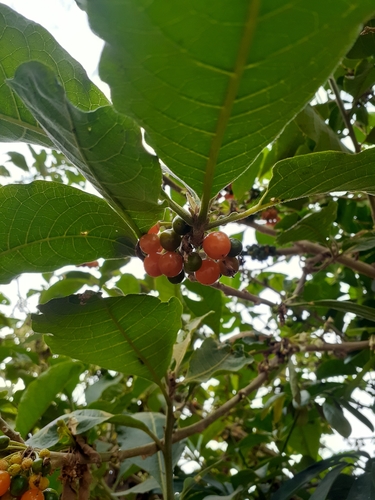
(c) Tony Rebelo, some rights reserved (CC BY-SA), uploaded by Tony Rebelo

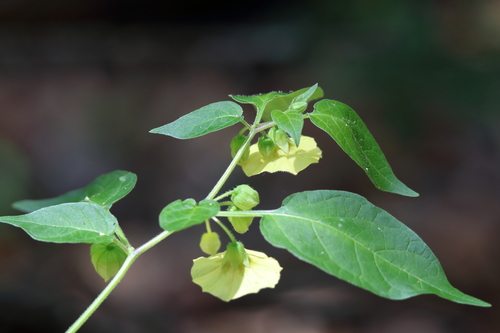
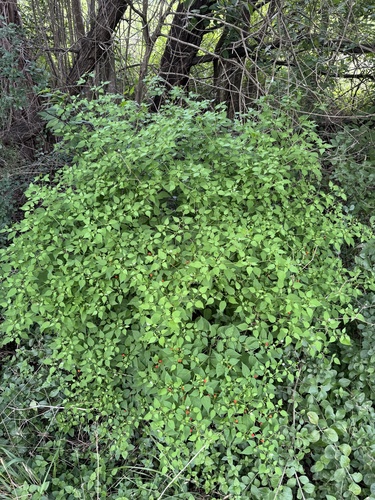
(c) Tony Rebelo, some rights reserved (CC BY-SA)
What to Eat
Edible parts: Fruit
Fruit. There is also a report that the fruit is toxic to vertebrates. The fruit is a globose, green berry around 10 - 15mm in diameter.
Known Hazards
Where to Find It
It is a tropical plant.
Amazon, Andes, Bolivia, Brazil, Colombia, Ecuador, South America*, Venezuela,
How to Identify
A tropical shrub in the Solanaceae family that is cultivated and produces edible fruit.
How to Grow
Propagation: Seed - sow in trays in a nursery. Prick out the seedlings into individual pots when they are large enough to handle and grow them on fast. Plant them out when 10cm or more tall. Cuttings of half-ripe wood. Very easy, the cuttings root within a couple of weeks.
Other Uses
The stems are used for fuel.
Other Information
It is cultivated.
Names & Synonyms
Gulac, Hediondilla, Jurubebinha, Maikuanim, Mun sauk, Yarga huando, Sacha congompe, Sanango, Yunkua
References (3)
- Grandtner, M. M. & Chevrette, J., 2013, Dictionary of Trees, Volume 2: South America: Nomenclature, Taxonomy and Ecology. Academic Press p 620
- Roa, J. A. G. & Boada, D. S. G., 2018, Fundación para el Fortalecimiento de la Fruticultura y Plantas Alimenticias no Convencionales en Colombia.
- Torre, de la, L., et al, 2008, Enciclopedia de las Plantas Útiles del Ecuador. Herbario QCA. Pontificia Universidad Católica del Ecuador. p 595