Madia chilensis
(Nutt.) Reiche
AsteraceaeFlowers

iNaturalist · cc-by-nc
(c) orlandomontes, some rights reserved (CC BY-NC), uploaded by orlandomontes
(c) orlandomontes, some rights reserved (CC BY-NC), uploaded by orlandomontes

iNaturalist · cc-by-sa
(c) Nicolás Villaseca Merino, some rights reserved (CC BY-SA)
(c) Nicolás Villaseca Merino, some rights reserved (CC BY-SA)

iNaturalist · cc-by-sa
(c) Nicolás Villaseca Merino, some rights reserved (CC BY-SA)
(c) Nicolás Villaseca Merino, some rights reserved (CC BY-SA)
What to Eat
Edible parts: Flowers
Tarweeds produce abundant seed, are agreeably aromatic and oily, and form an important part of the small seeds used in pinole. Tarweed and other seeds in pinole formed a staple food in the diet of the Indigenous peoples of the Pacific Coast. In particular, the seeds of gumweed (Madia elegans ssp. densifolia) were among the most valued by the Miwok people for pinole. The Hupa, Cahuilla, Diegueño, Chumash, Costanoan, Kawaiisu, and Maidu tribes in California made pinole from Madiaspecies.
Where to Find It
It is a temperate plant.
Chile, South America,
How to Identify
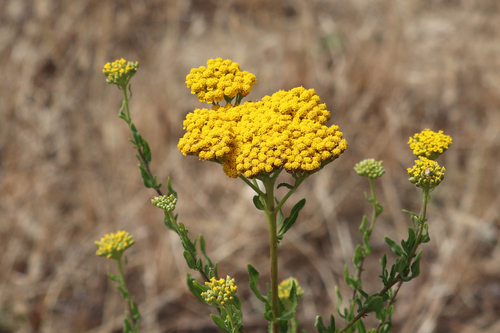
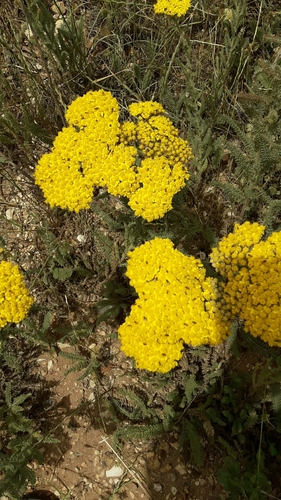
A herb. It grows 20-60 cm tall. The leaves are narrowly oval. The flowers are in the axils of the leaves near the top of the plant.
Names & Synonyms
Madi, Madia, Melosa
Madariopsis chilensis Nutt.
References (2)
- Cordero, S. E., Abello, L. A., & Galvez, F. L., 2017, Plantas silvestres comestibles y medicinales de Chile y otras partes del mundo. CORMA p 190
- Leon-Lobos, P., et al, 2022, Patterns of Traditional and Modern Uses of Wild Edible Native Plants of Chile: Challenges and Future Perspectives. Plants (Basel) v 11 (6) Table S1