Epaltes australis
Less.
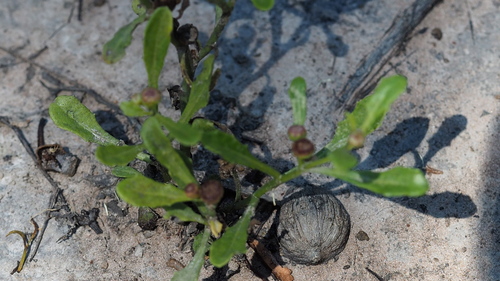
iNaturalist · cc-by-nc
(c) Ted Johansen, some rights reserved (CC BY-NC)
(c) Ted Johansen, some rights reserved (CC BY-NC)
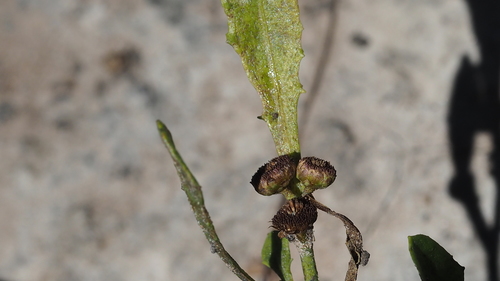
iNaturalist · cc-by-nc
(c) Ted Johansen, some rights reserved (CC BY-NC)
(c) Ted Johansen, some rights reserved (CC BY-NC)
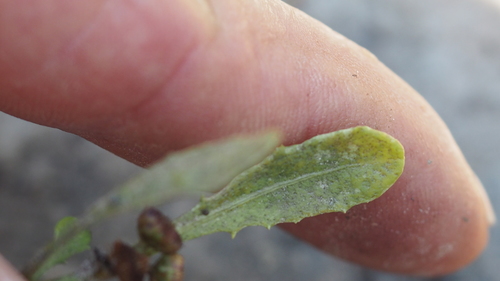
iNaturalist · cc-by-nc
(c) Ted Johansen, some rights reserved (CC BY-NC)
(c) Ted Johansen, some rights reserved (CC BY-NC)
What to Eat
Edible parts: Leaves - tea
The leaves are used to prepare herbal tea.
Where to Find It
It is a subtropical plant.
Asia, China,
Countries: United Arab Emirates, Afghanistan, Armenia, Azerbaijan, Bangladesh, Bahrain, Brunei, Bhutan, China, Georgia, Indonesia, Israel, India, Iraq, Iran, Jordan, Japan, Kyrgyzstan, Cambodia, North Korea, South Korea, Kuwait, Kazakhstan, Laos, Lebanon, Sri Lanka, Myanmar, Mongolia, Maldives, Malaysia, Nepal, Oman, Philippines, Pakistan, Qatar, Saudi Arabia, Singapore, Syria, Thailand, Tajikistan, Timor-Leste, Turkmenistan, Turkey, Taiwan, Uzbekistan, Vietnam, Yemen
How to Identify
A herb that grows each year from seed. The stems are branched and straggling. The leaves on the stem are oblong to broadly sword shaped and 4 cm long by 2 cm wide. They are narrowed at the base into the leaf stalk.
Other Information
It is sold in local markets in China.
Names & Synonyms
E zai cao
Artemisia chrysanthemum DC.Artemisia littoralis Retz.Epaltes hirsuta Less.Epaltes littoralis (Retz.) Less.Erigerodes australe (Less.) KuntzeSphaeromorphaea australis (Less.) Kitam.Sphaeromorphaea petiolaris DC.
References (2)
- Flora of China
- Li, D. et al, 2017, Ethnobotanical survey of herbal tea plants from the traditional markets in Chaoshan, China. Journal of Ethnopharmacology. 205 (2017) 195-206