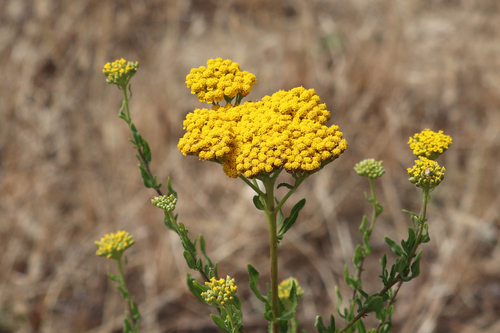
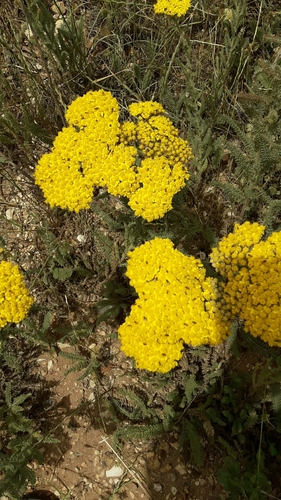
Echinops hussonii
Boiss.
AsteraceaeLeaves

gbif · cc-by
Royal Botanic Gardens, Kew
Royal Botanic Gardens, Kew

gbif · cc-by
Royal Botanic Gardens, Kew
Royal Botanic Gardens, Kew

gbif · cc-by
Royal Botanic Gardens, Kew
Royal Botanic Gardens, Kew
What to Eat
Edible parts: Leaves ?
The leaves are potentially edible, though this is uncertain.
Where to Find It
It is a Mediterranean climate plant. It grows in deserts.
Africa, Egypt, Mediterranean, Sinai, Sudan,
Countries: Albania, Angola, Bosnia & Herzegovina, Burkina Faso, Burundi, Benin, Botswana, Congo (DRC), Central African Republic, Congo (Republic), Cote d'Ivoire, Cameroon, Cape Verde, Cyprus, Djibouti, Algeria, Egypt, Eritrea, Spain, Ethiopia, France, Gabon, Ghana, Gambia, Guinea, Equatorial Guinea, Greece, Guinea-Bissau, Croatia, Israel, Italy, Kenya, Comoros, Lebanon, Liberia, Lesotho, Libya, Morocco, Monaco, Montenegro, Madagascar, Mali, Mauritania, Malta, Mauritius, Malawi, Mozambique, Namibia, Niger, Nigeria, Rwanda, Seychelles, Sudan, Slovenia, Sierra Leone, Senegal, Somalia, South Sudan, Sao Tome & Principe, Syria, Eswatini, Chad, Togo, Tunisia, Turkey, Tanzania, Uganda, South Africa, Zambia, Zimbabwe
How to Identify
A perennial herb in the Asteraceae family that grows in Mediterranean climate deserts.
References (1)
- Bidak, L. M., et al, 2015, Goods and services provided by native plants in desert ecosystems: Examples from the northwestern coastal desert of Egypt. Global Ecology and Conservation 3 (2015) 433–447