Calendula algeriensis
Boiss. & Reut.

iNaturalist · cc-by-nc
(c) fabienne niebler, some rights reserved (CC BY-NC)
(c) fabienne niebler, some rights reserved (CC BY-NC)

iNaturalist · cc-by-nc
(c) fabienne niebler, some rights reserved (CC BY-NC)
(c) fabienne niebler, some rights reserved (CC BY-NC)

iNaturalist · cc-by-nc
(c) Gretchen McKnight, some rights reserved (CC BY-NC)
(c) Gretchen McKnight, some rights reserved (CC BY-NC)
What to Eat
Edible parts: Leaves, Flowers, Roots - spice
The leaves are mixed with other vegetables to make vegetable dishes. The flowers are cooked as a garnish for traditional bread. The dried roots are used as a spice.
Where to Find It
It is a Mediterranean climate plant.
Africa, Mediterranean, Morocco, North Africa,
Countries: Albania, Angola, Bosnia & Herzegovina, Burkina Faso, Burundi, Benin, Botswana, Congo (DRC), Central African Republic, Congo (Republic), Cote d'Ivoire, Cameroon, Cape Verde, Cyprus, Djibouti, Algeria, Egypt, Eritrea, Spain, Ethiopia, France, Gabon, Ghana, Gambia, Guinea, Equatorial Guinea, Greece, Guinea-Bissau, Croatia, Israel, Italy, Kenya, Comoros, Lebanon, Liberia, Lesotho, Libya, Morocco, Monaco, Montenegro, Madagascar, Mali, Mauritania, Malta, Mauritius, Malawi, Mozambique, Namibia, Niger, Nigeria, Rwanda, Seychelles, Sudan, Slovenia, Sierra Leone, Senegal, Somalia, South Sudan, Sao Tome & Principe, Syria, Eswatini, Chad, Togo, Tunisia, Turkey, Tanzania, Uganda, South Africa, Zambia, Zimbabwe
How to Identify
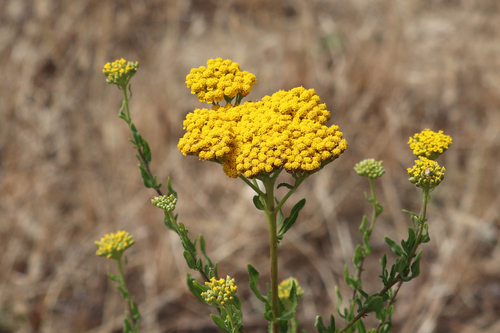
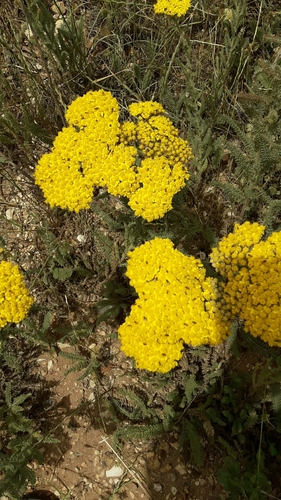
An herbaceous member of the Asteraceae family found in Mediterranean climates. The leaves, flowers, and roots are all edible parts of this plant.
Names & Synonyms
Ejjemra
References (1)
- Tbatou, M, et al, 2016, Wild Edible Plants traditionally used in the countryside of El Jadida, Coastal Area in the Center of Morocco. Life Sciences Leaflets 75:28-48