Solanum xanthocarpum
Schrad. & J. C. Wendl.
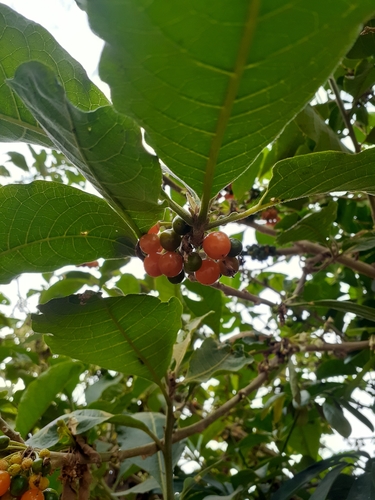
SolanaceaeFruit

iNaturalist · cc-by-nc
(c) geo_napoli, some rights reserved (CC BY-NC)
(c) geo_napoli, some rights reserved (CC BY-NC)

iNaturalist · cc-by-nc
(c) geo_napoli, some rights reserved (CC BY-NC)
(c) geo_napoli, some rights reserved (CC BY-NC)

iNaturalist · cc-by-nc
(c) geo_napoli, some rights reserved (CC BY-NC)
(c) geo_napoli, some rights reserved (CC BY-NC)
What to Eat
Edible parts: Fruit
The fruit is used to make jam and as a vegetable in curries.
Where to Find It
It is a subtropical plant. It grows up to 2,100 m above sea level in the Himalayas.
Asia, Himalayas, India, Northeastern India, Pakistan,
Countries: United Arab Emirates, Afghanistan, Armenia, Azerbaijan, Bangladesh, Bahrain, Brunei, Bhutan, China, Georgia, Indonesia, Israel, India, Iraq, Iran, Jordan, Japan, Kyrgyzstan, Cambodia, North Korea, South Korea, Kuwait, Kazakhstan, Laos, Lebanon, Sri Lanka, Myanmar, Mongolia, Maldives, Malaysia, Nepal, Oman, Philippines, Pakistan, Qatar, Saudi Arabia, Singapore, Syria, Thailand, Tajikistan, Timor-Leste, Turkmenistan, Turkey, Taiwan, Uzbekistan, Vietnam, Yemen
How to Identify
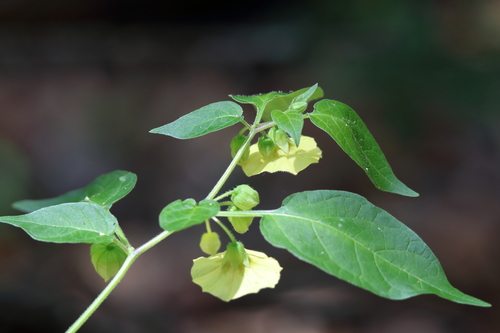
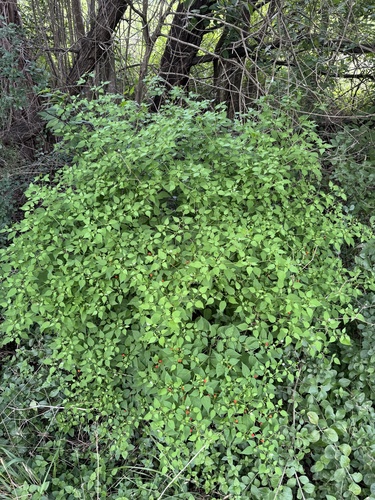
A herb. lies along the ground. The stems and leaves have white to yellow prickles. The leaves are narrowly oval. The flowers are deep blue or purple. There can be 1 or a few in a group. The fruit is a berry. It is green and can have white stripes. There are many seeds.
Medicinal Uses
The fruit has traditional uses in folk medicine.
Names & Synonyms
Kantakari, Kateli
References (3)
- Badhwar, R. L., & Fernandez, R. R., 2011, Edible Wild Plants of the Himalayas. Daya Publishing House, New Delhi, India.
- Kamal, M., et al, 2009, Ethnobotanically Important Plants of District Bannu, Pakistan. Pak. J. Pl. Sci., 15 (2): 87-93
- Wild edible plants of Himachal Pradesh