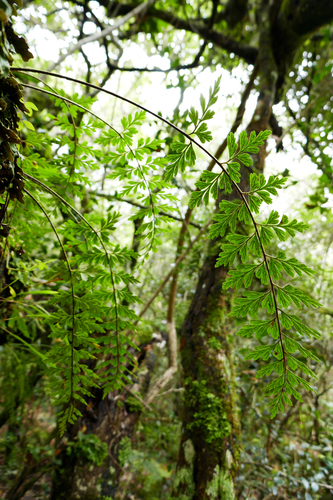
Asplenium ensiforme
Wall. ex Hook. & Grev.
AspleniaceaeLeaves
iNaturalist · cc-by-nc
(c) mira_hlt, some rights reserved (CC BY-NC), uploaded by mira_hlt
(c) mira_hlt, some rights reserved (CC BY-NC), uploaded by mira_hlt
iNaturalist · cc-by-nc
(c) 歐陽秀華, some rights reserved (CC BY-NC), uploaded by 歐陽秀華
(c) 歐陽秀華, some rights reserved (CC BY-NC), uploaded by 歐陽秀華
iNaturalist · cc-by-nc
(c) lecanorchis, some rights reserved (CC BY-NC)
(c) lecanorchis, some rights reserved (CC BY-NC)
What to Eat
Edible parts: Fronds
The fronds are eaten.
Where to Find It
It is a temperate plant.
Asia, China, Pakistan,
Countries: United Arab Emirates, Afghanistan, Armenia, Azerbaijan, Bangladesh, Bahrain, Brunei, Bhutan, China, Georgia, Indonesia, Israel, India, Iraq, Iran, Jordan, Japan, Kyrgyzstan, Cambodia, North Korea, South Korea, Kuwait, Kazakhstan, Laos, Lebanon, Sri Lanka, Myanmar, Mongolia, Maldives, Malaysia, Nepal, Oman, Philippines, Pakistan, Qatar, Saudi Arabia, Singapore, Syria, Thailand, Tajikistan, Timor-Leste, Turkmenistan, Turkey, Taiwan, Uzbekistan, Vietnam, Yemen
How to Identify
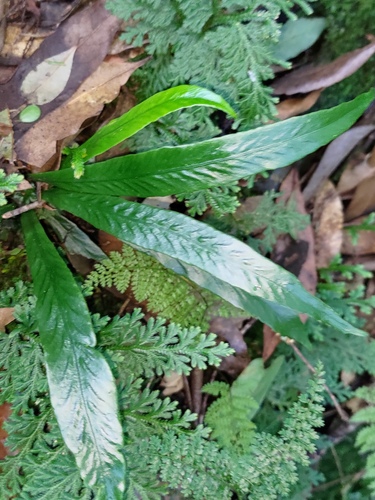
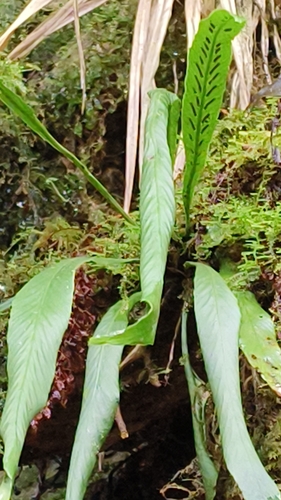
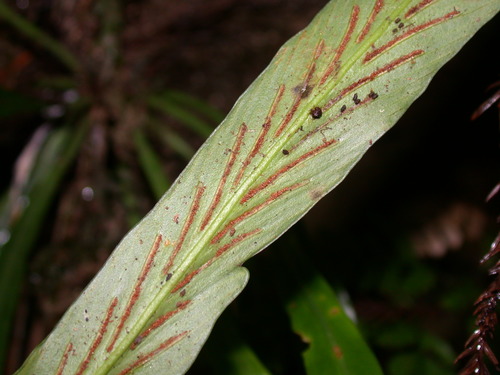
A fern. It grows 30-45 cm tall. It has a short erect rhizome. The fronds are simple and clustered. The leaves are narrowly sword shaped and 20-40 cm long by 1.5-2,5 cm wide.
References (2)
- Gul, A., 2016, Traditional, medicinal and food uses of Pteridophytes of district Mansehra (Pakistan) and their some adjacent areas. International Journal of Biosciences Vol. 9, No. 5 p. 116-133
- Yusuf, U. K., 2010, Ferns of Malaysian Rain Forest. A Journey Through the Fern World. Universiti Putra Malaysia Press p 34