Asplenium cymbifolium
Christ
AspleniaceaeLeaves

iNaturalist · cc-by-nc
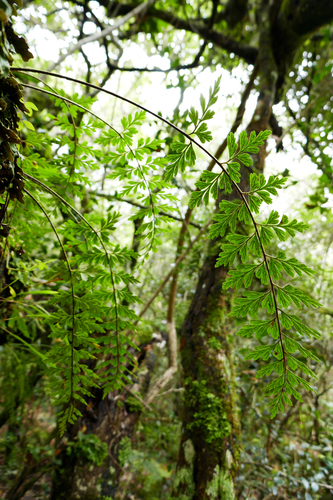
(c) Naufal Urfi Dhiya'ulhaq, some rights reserved (CC BY-NC), uploaded by Naufal Urfi Dhiya'ulhaq
(c) Naufal Urfi Dhiya'ulhaq, some rights reserved (CC BY-NC), uploaded by Naufal Urfi Dhiya'ulhaq

iNaturalist · cc-by-nc
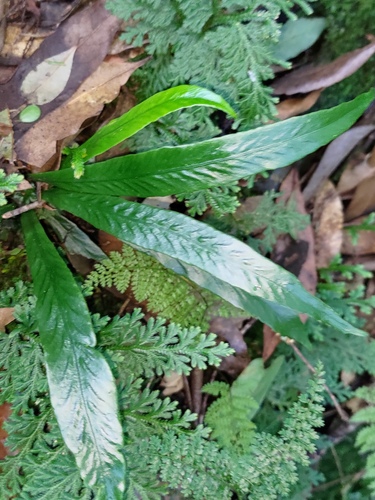
(c) Naufal Urfi Dhiya'ulhaq, some rights reserved (CC BY-NC), uploaded by Naufal Urfi Dhiya'ulhaq
(c) Naufal Urfi Dhiya'ulhaq, some rights reserved (CC BY-NC), uploaded by Naufal Urfi Dhiya'ulhaq
What to Eat
Edible parts: Leaves, Fronds
The young leaves are boiled and eaten.
Where to Find It
It is a tropical plant.
Asia, Indonesia, Malaysia, Papua New Guinea, PNG, Philippines, SE Asia, Solomon Islands,
Countries: United Arab Emirates, Afghanistan, Armenia, Azerbaijan, Bangladesh, Bahrain, Brunei, Bhutan, China, Georgia, Indonesia, Israel, India, Iraq, Iran, Jordan, Japan, Kyrgyzstan, Cambodia, North Korea, South Korea, Kuwait, Kazakhstan, Laos, Lebanon, Sri Lanka, Myanmar, Mongolia, Maldives, Malaysia, Nepal, Oman, Papua New Guinea, Philippines, Pakistan, Qatar, Saudi Arabia, Solomon Islands, Singapore, Syria, Thailand, Tajikistan, Timor-Leste, Turkmenistan, Turkey, Taiwan, Uzbekistan, Vietnam, Yemen
How to Identify
A tropical fern in the family Aspleniaceae with young leaves and fronds used as food.
Names & Synonyms
Soba
Neottopteris cymbifolia (Christ) Tagawa
References (2)
- Flavelle, A. J., 1991, A Traditional Agroforestry Landscape on Fergusson Island, Papua New Guinea. M. Sc. Univ. of British Columia. p 160
- World Checklist of Useful Plant Species 2020. Royal Botanic Gardens, Kew