Centaurea virgata
Lam.
AsteraceaeLeaves

iNaturalist · cc-by-nc
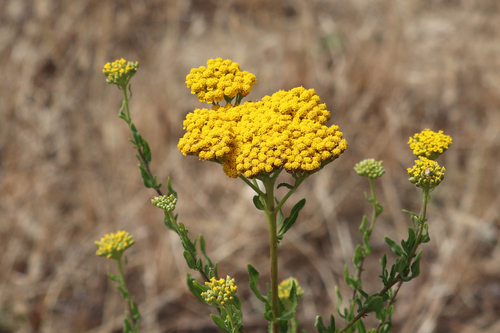
(c) Dmitry Kutcherov, some rights reserved (CC BY-NC), uploaded by Dmitry Kutcherov
(c) Dmitry Kutcherov, some rights reserved (CC BY-NC), uploaded by Dmitry Kutcherov

iNaturalist · cc-by
(c) Andrey Zharkikh, some rights reserved (CC BY)
(c) Andrey Zharkikh, some rights reserved (CC BY)

iNaturalist · cc-by-nc
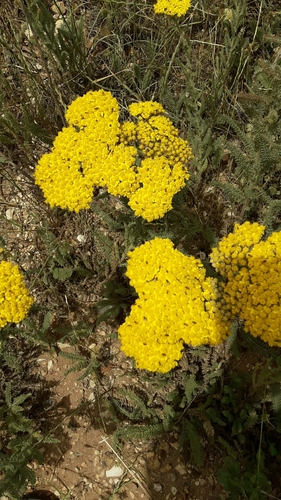
(c) Andrey Zharkikh, some rights reserved (CC BY-NC), uploaded by Andrey Zharkikh
(c) Andrey Zharkikh, some rights reserved (CC BY-NC), uploaded by Andrey Zharkikh
What to Eat
Edible parts: Leaves
The young leaves are eaten raw in salads.
Where to Find It
It is a temperate plant.
Europe, Turkey, Türkiye,
Countries: Andorra, Albania, Austria, Bosnia & Herzegovina, Belgium, Bulgaria, Belarus, Switzerland, Cyprus, Czechia, Germany, Denmark, Estonia, Spain, Finland, France, United Kingdom, Greece, Croatia, Hungary, Ireland, Iceland, Italy, Liechtenstein, Lithuania, Luxembourg, Latvia, Monaco, Moldova, Montenegro, North Macedonia, Malta, Netherlands, Norway, Poland, Portugal, Romania, Serbia, Russia, Sweden, Slovenia, Slovakia, San Marino, Turkey, Ukraine
How to Identify
A temperate herb in the Asteraceae family.
Wikipedia
Source ↗Centaurea virgata is a species of Centaurea. It is native to Western Asia. The subspecies C. virgata subsp. squarrosa is known as squarrose knapweed.
Names & Synonyms
Deqniseh
Acosta virgata (Lam.) Holub.
References (1)
- Yesil, Y., et al, 2019, Wild edible plants in Yeşilli (Mardin-Turkey), a multicultural area. Journal of Ethnobiology and Ethnomedicine (2019) 15:52