Cuphea aequipetala
Cav.
Mexican loosestrife
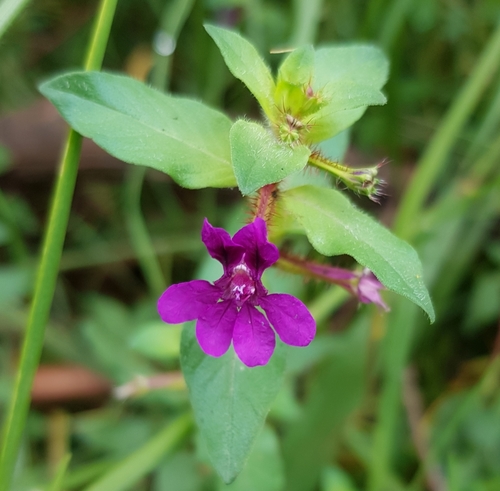
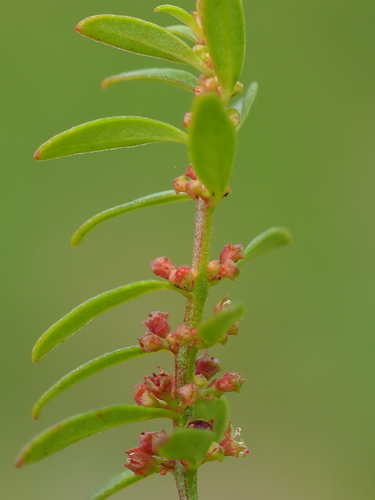
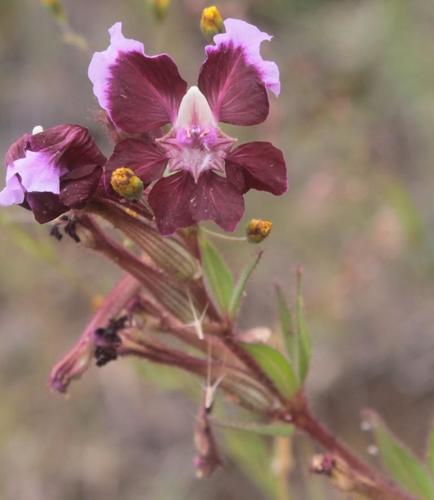
(c) Martín Sánchez Vilchis, some rights reserved (CC BY-SA), uploaded by Martín Sánchez Vilchis

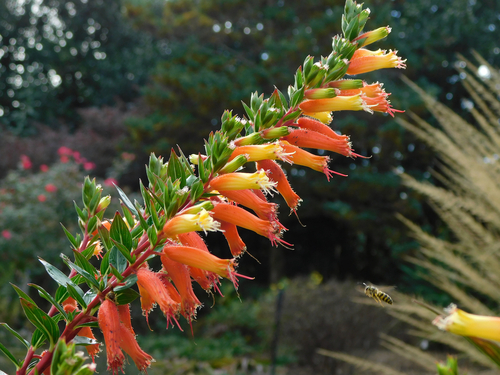
(c) Azucena Briones Muñoz, some rights reserved (CC BY-NC)
What to Eat
Edible parts: Leaves ?, Medicine
The leaves are used for food and medicine.
Where to Find It
It is a subtropical plant.
Central America, Guatemala, Honduras, Mexico,
How to Identify
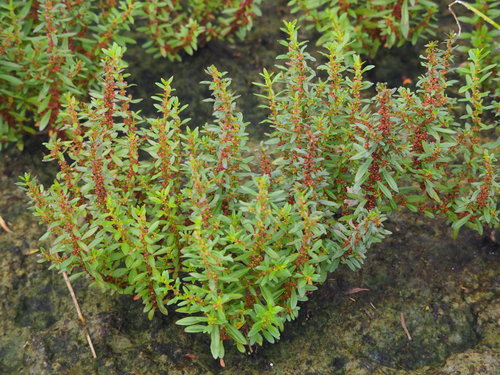
A perennial herb in the loosestrife family (Lythraceae) that grows 15-100 cm tall. It is found in subtropical regions.
How to Grow
Species in this genus generally prefer a position in full sun, but are tolerant of partial shade. They generally grow best in average, medium moisture, well-drained soils. The seed of Cuphea species is generally a good source of medium length fatty acids, which have a range of industrial and cosmetic applications and can also be used in foods. Several species are being trialled as seed oil crops in temperate zone countries, though they are unlikely to become a commercial crop in the tropics simply because it is so much easier to grow oil crops such as palm oil (Elaeis species) and coconut (Cocos nucifera).
Propagation: Seed - can be sown in situ. Germination usually takes a few weeks because of the hard seed coat.
Medicinal Uses
Used medicinally.
Other Uses
We have no specific information for this species but, although rather small, the seed of Cuphea species is generally a good source of medium length fatty acids. Industrial oils made from these fatty acids have a range of uses, including as a defoaming agent; a booster for soaps and detergents; and in health and beauty products. They can also be used in foods, mostly as vegetable shortenings.
Names & Synonyms
Nguechuxu
References (1)
- Farfan, B., et al, 2007, Mazahua Ethnobotany and Subsistence in the Monarch Butterfly Biosphere Reserve, Mexico. Economic Botany 61(2) 2007, pp 173-191