Cuphea lanceolata
W. T. Aiton
Cigar flower
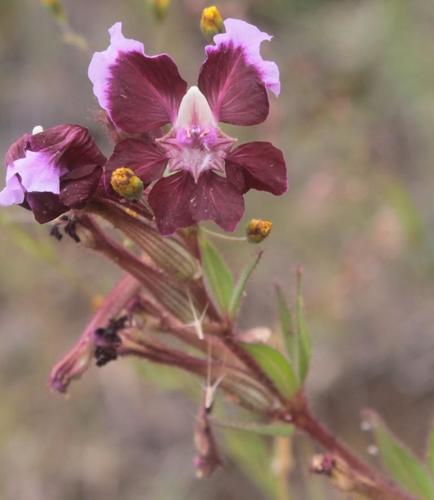
(c) Pedro Nájera Quezada, some rights reserved (CC BY-NC), uploaded by Pedro Nájera Quezada

no rights reserved, uploaded by Peter de Lange
What to Eat
Edible parts: Seeds - oil
The seeds are pressed for oil.
Where to Find It
A tropical plant. It is best in hot humid locations and in rich, well-drained soil. It suits full sun.
Central America, China, Mexico, North America, Slovenia,
How to Identify
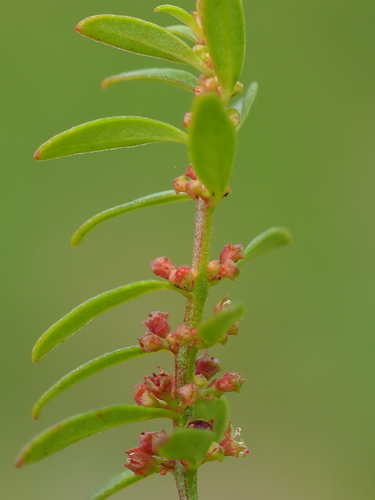
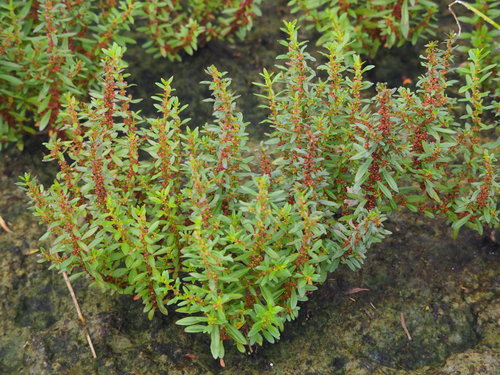
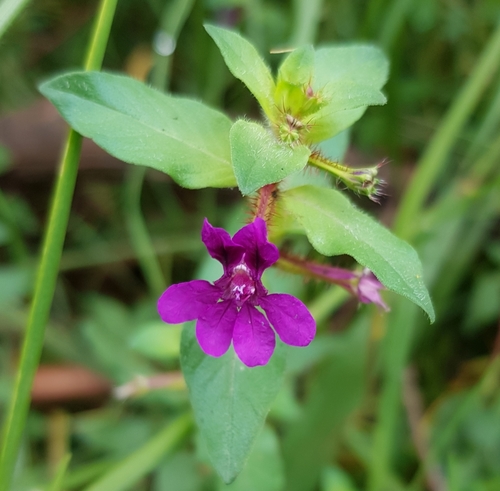
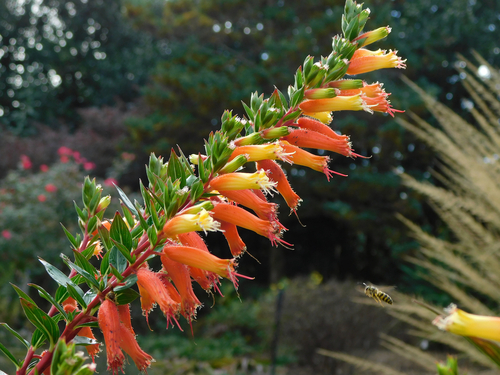
A herb. It grows 90 cm high. The stem is branched. The leaves are clammy. They are opposite and narrow and 7 cm long. The flowers are tube shaped and dark purple or red. They have 6 petals. The 2 upper petals are large and ear shaped. The fruit is a capsule.
How to Grow
They can be raised by seed or tip cuttings.
Wikipedia
Source ↗Cuphea lanceolata, also known as the cigar flower, is an annual herbaceous flowering plant in the genus Cuphea of the family Lythraceae.
Production
They are fast growing.
Notes
There are about 260 Cuphea species. They are in Central and South America.
Names & Synonyms
Ozkolistna tulčica
References (4)
- GRIN
- Heywood, V.H., Brummitt, R.K., Culham, A., and Seberg, O. 2007, Flowering Plant Families of the World. Royal Botanical Gardens, Kew. p 197
- Hortus kew. ed. 2, 3:150. 1811
- Morley, B. & Everard, B., 1970, Wild Flowers of the World. Ebury press. Plate 156