Crawfurdia angustata
C. B. Clarke
iNaturalist · cc-by-sa
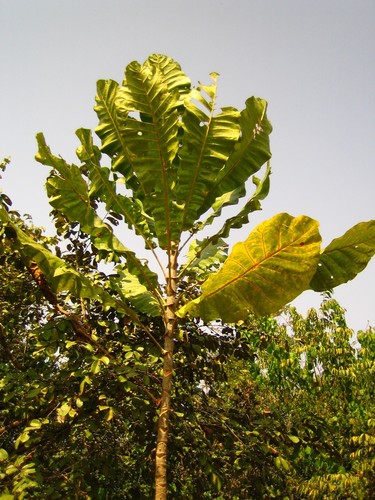
(c) Rohit, some rights reserved (CC BY-SA), uploaded by Rohit
(c) Rohit, some rights reserved (CC BY-SA), uploaded by Rohit

iNaturalist · cc-by-sa
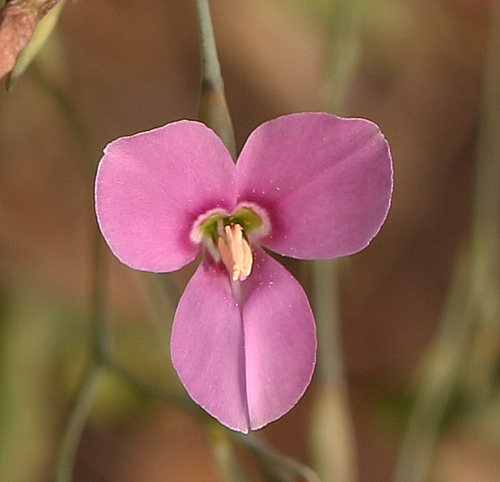
(c) Divya Mudappa, some rights reserved (CC BY-SA)
(c) Divya Mudappa, some rights reserved (CC BY-SA)

iNaturalist · cc-by-nc
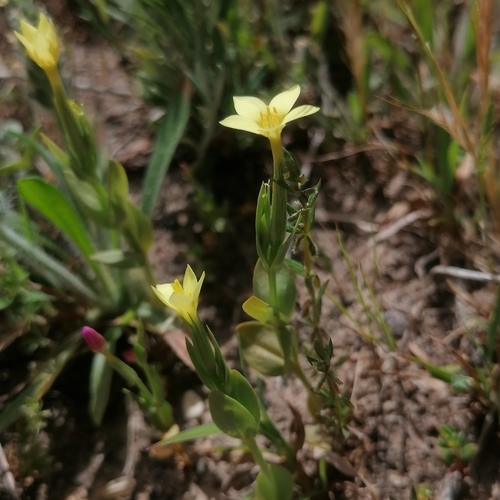
(c) stinkyshi, some rights reserved (CC BY-NC)
(c) stinkyshi, some rights reserved (CC BY-NC)
What to Eat
Edible parts: Leaves, Flowers, Fruit
The leaves and flowers are used as a vegetable, and the fruit is eaten raw.
Where to Find It
It is a subtropical plant.
Asia, China, Tibet,
Countries: United Arab Emirates, Afghanistan, Armenia, Azerbaijan, Bangladesh, Bahrain, Brunei, Bhutan, China, Georgia, Indonesia, Israel, India, Iraq, Iran, Jordan, Japan, Kyrgyzstan, Cambodia, North Korea, South Korea, Kuwait, Kazakhstan, Laos, Lebanon, Sri Lanka, Myanmar, Mongolia, Maldives, Malaysia, Nepal, Oman, Philippines, Pakistan, Qatar, Saudi Arabia, Singapore, Syria, Thailand, Tajikistan, Timor-Leste, Turkmenistan, Turkey, Taiwan, Uzbekistan, Vietnam, Yemen
How to Identify
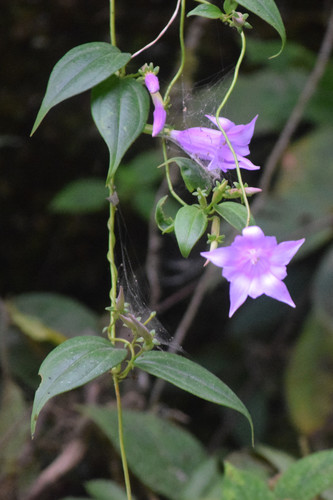
A herb. The stems are twining and the internodes are 6-17 cm apart. The leaves are narrowly oval and 4-7 cm long by 2-4 cm wide. The base is rounded. The flowers are purple. The fruit capsule is narrowly oval and 3 cm long. The seeds are light brown and 3 sided.
Names & Synonyms
Rtho-me-ke-yos, Suo-long-ma
Crawfurdia trailiana ForrestGentiana angustata (C. B. Clarke) C. MarquandGentiana helenii C. Marquand
References (2)
- Ding, X., 2021, Collection calendar: the diversity and local knowledge of wild edible plants used by Chenthang Sherpa people to treat seasonal food shortages in Tibet, China. Journal of Ethnobiology and Ethnomedicine 17:40
- Li, S., et al, 2020, Monpa, memory, and change: an ethnobotanical study of plant use in Mêdog County, South-east Tibet, China. Journal of Ethnobiology and Ethnomedicine. (2020) 16:5 p 19