Solanum pubigerum
Dunal
iNaturalist · cc-by-nc
(c) Efraín Octavio Aguilar Pérez, some rights reserved (CC BY-NC), uploaded by Efraín Octavio Aguilar Pérez
(c) Efraín Octavio Aguilar Pérez, some rights reserved (CC BY-NC), uploaded by Efraín Octavio Aguilar Pérez
iNaturalist · cc-by-nc
(c) Noctem, some rights reserved (CC BY-NC), uploaded by Noctem
(c) Noctem, some rights reserved (CC BY-NC), uploaded by Noctem

iNaturalist · cc-by-nc
(c) gus-tavo, some rights reserved (CC BY-NC), uploaded by gus-tavo
(c) gus-tavo, some rights reserved (CC BY-NC), uploaded by gus-tavo
What to Eat
Edible parts: ?
Where to Find It
It is a tropical plant. It grows between 2,000-3,200 m above sea level.
Central America, Costa Rica, Mexico,
Countries: Belize, Costa Rica, Guatemala, Honduras, Mexico, Nicaragua, Panama, El Salvador
How to Identify
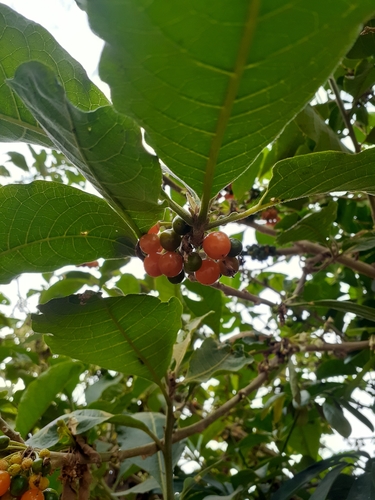
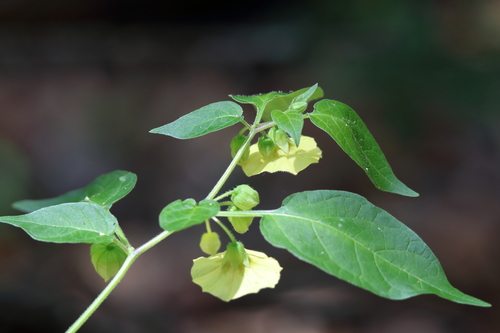
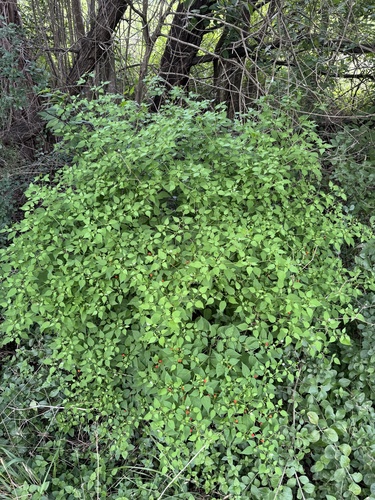
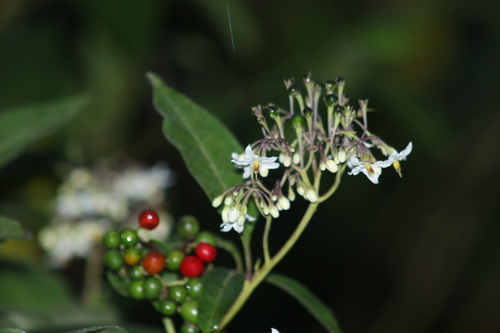
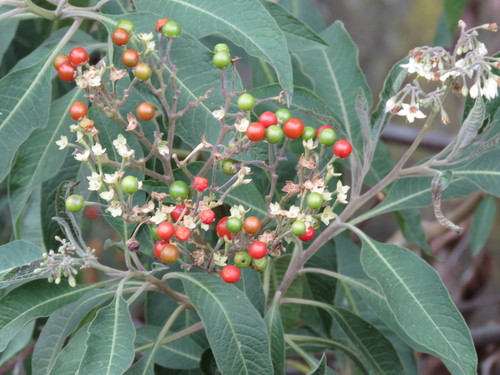
A shrub or small tree. It grows 1-5 m tall. The stems are erect. The leaves are simple and 3-20 cm long by 2-7 cm wide. They are narrowly oval. The flowering shoots are 4-15 cm logn and near the ends of branches. There are 50-100 flowers. The fruit are round berries 0.7-0.8 cm across. They are red when ripe.
Names & Synonyms
Solanum leptanthum Dunaland several others
References (1)
- World Checklist of Useful Plant Species 2020. Royal Botanic Gardens, Kew