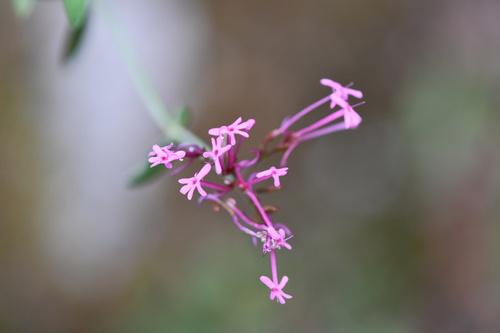
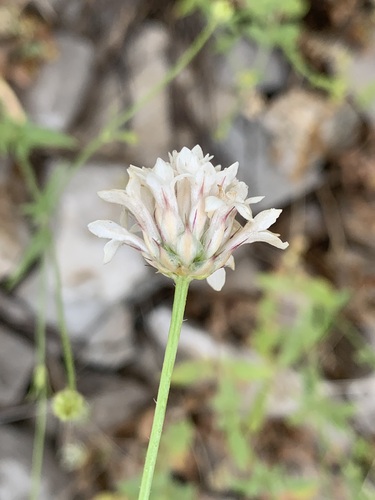
Sambucus caerulea
Raf.
Blue Elder

Brigham Young University

Brigham Young University

Brigham Young University
What to Eat
Edible parts: Flowers, Fruit
Tea. Fruit - raw, cooked or used in preserves[2, 3, 15, 85, 94, 183, 257]. Rather sweet and juicy but full of small seeds, this is the best flavoured of the North American elders. The fruit is rather nice raw, seven people ate and enjoyed a small quantity of the raw fruit with no ill effects. The fruit can be dried for later use. A somewhat rank taste fresh, the fruit is usually dried before being used. The fruit is about 6mm in diameter and is borne in large clusters. Some caution is advised, see the notes above on toxicity. Flowers - raw or cooked in fritters etc. Very pleasant and refreshing raw. A pleasant tea is made from the dried flowers.
Known Hazards
Where to Find It
Western N. America - British Columbia to California, east to Montana, Texas and Mexico.
Coming Soon
How to Identify
Sambucus caerulea is a deciduous Shrub growing to 3 m (9ft 10in) at a medium rate. See above for USDA hardiness. It is hardy to UK zone 5. It is in flower from June to July, and the seeds ripen from August to September. The species is hermaphrodite (has both male and female organs) and is pollinated by Insects. The plant is self-fertile. It is noted for attracting wildlife. Suitable for: light (sandy), medium (loamy) and heavy (clay) soils and can grow in heavy clay soil. Suitable pH: mildly acid, neutral and basic (mildly alkaline) soils. It can grow in semi-shade (light woodland) or no shade. It prefers dry or moist soil. The plant can tolerates strong winds but not maritime exposure. It can tolerate atmospheric pollution.
How to Grow
Tolerates most soils, including chalk, but prefers a moist loamy soil. Grows well in heavy clay soils. Tolerates some shade but is best in a sunny position. Tolerates atmospheric pollution and coastal situations. A fast-growing but short-lived tree in the wild. A shrub at Kew in September 1993 was carrying a good crop of tasty fruits. Plants in this genus are notably resistant to honey fungus. Elderberry cultivars (Sambucus) are partially self-fertile, but cross-pollination can increase fruit production. Elderberries are usually harvested in late summer to early autumn, around August to September (Northern Hemisphere), when the berries are fully ripe. Elderberry typically flowers in late spring to early summer, around May to June (Northern Hemisphere), producing clusters of small white or cream-colored flowers. Elderberry is a fast-growing shrub or small tree, reaching heights of 3 to 6 meters (10 to 20 feet) in a few years under optimal conditions. It prefers moist, well-drained soils and can thrive in a variety of environments, including disturbed areas.
Propagation: Seed - best sown as soon as it is ripe in the autumn in a cold frame, when it should germinate in early spring. Stored seed can be sown in the spring in a cold frame but will probably germinate better if it is given 2 months warm followed by 2 months cold stratification first. Prick out the seedlings into individual pots when they are large enough to handle. If good growth is made, the young plants can be placed in their permanent positions during the early summer. Otherwise, either put them in a sheltered nursery bed, or keep them in their pots in a sheltered position and plant them out in spring of the following year. Cuttings of half-ripe wood, 7 - 10cm with a heel, July/August in a frame. Cuttings of mature wood of the current season's growth 15 - 20cm with a heel, late autumn in a frame or a sheltered outdoor bed.
Medicinal Uses
Analgesic Antiseptic Astringent Diaphoretic Emetic Febrifuge Haemostatic Laxative Pectoral Salve Stomachic Tonic. Haemostatic. An infusion or extract made from the flowers, bark and root has been used to cure fevers and gripe, it is also laxative. A decoction of the plant has been used as an antiseptic wash to treat itches. The bark is analgesic and astringent. An infusion has been used in the treatment of diarrhoea and rheumatism. A decoction has been used as a wash in the treatment of swellings and pain. An ointment made by mixing the bark with fat has been used externally in the treatment of burns, ulcers, skin irritations etc. The fresh bark has been placed in a tooth cavity to ease the pain of toothache. The inner bark is strongly emetic. The leaves are analgesic, antiseptic, diaphoretic, febrifuge and purgative. A decoction has been used in the treatment of new colds. An infusion of the leaves and flowers has been used as a steam bath in the treatment of colds and headaches. A decoction of the leaves has been used as an antiseptic wash on limbs affected by blood poisoning. The crushed leaves have been used as a poultice to treat burns and swollen hands. A decoction of the root has been used in the treatment of bladder problems and dyspepsia. A decoction of the flowers has been used in the treatment of stomach troubles and lung complaints. Applied externally, it has been used to treat sprains and bruises and as an antiseptic wash for open sores and itches. A wine made from the fruit has been used as a tonic.
Other Uses
Musical Repellent Tinder Wood Agroforestry uses: Elderberry is beneficial in agroforestry for attracting pollinators and wildlife. It can be used as a hedge or windbreak and is often planted in riparian zones for erosion control. The flowers and berries are edible (with the proper preparation) and have culinary and medicinal uses. A decoction of the leaves, when watered on plants, repels caterpillars. The dried flower stems repel insects and rodents. The hollow stems can be used as flutes and pipes. The pith of the stems has been used as a tinder for lighting fires. Wood - light, soft, weak, coarse grained. Of no commercial value, though it is used locally for flutes, skewers, pegs, straws etc.