Agoseris retrorsa
Greene
Spearleaf Agoseris

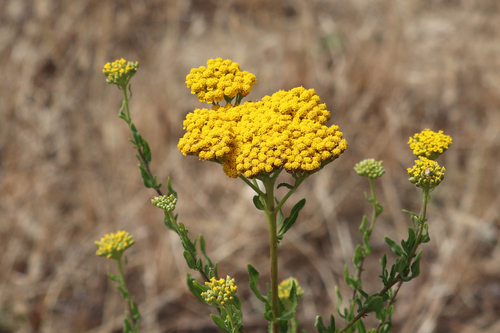
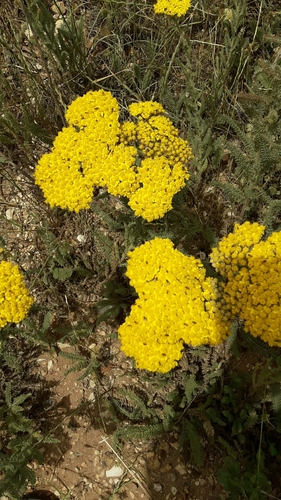
(c) 2009 Barry Breckling, some rights reserved (CC BY-NC-SA)

(c) Peter Stevens, some rights reserved (CC BY)

(c) 2009 Keir Morse, some rights reserved (CC BY-NC-SA)
What to Eat
The roots, leaves, and flowers are all edible. Leaves resemble those of dandelion in taste and texture: mild, lettuce-like, but with bitterness that is improved by cooking. The roots are edible but not well documented in terms of flavor; they are assumed to be similar to dandelion roots, which are bitter but usable when cooked or roasted. The flowers can be eaten raw or cooked, adding color and mild flavor to salads or as a garnish. Edible Uses & Rating: Edible parts include young leaves as salad/potherb and roots as a bitter, coffee-substitute type material. Because of strong bitterness and latex, it earns an edibility rating of 2.5/5: usable, but not a primary or pleasant staple. Taste, Processing & Kitchen Notes: Leaves are mildly to strongly bitter, especially with age. Young rosette leaves can be eaten raw in small amounts or blanched to reduce bitterness. Roots are tough and strongly bitter-resinous; they can be roasted and used in small proportions in “coffee” blends or broths. Overmature plants are generally too bitter to be worthwhile. Seasonality (Phenology): Rosettes emerge in spring as snow recedes; flowering typically late spring to mid-summer; seed set and senescence follow as soils dry. Young edible leaves are best very early in the season. Safety & Cautions (Food Use): Bitterness and latex limit palatability; as with many composites, sensitive individuals may experience digestive upset or contact irritation. Use in modest amounts. Harvest & Processing Workflow: Clip young leaves early; rinse and eat fresh or lightly blanch. If using roots, harvest from second-year plants before flowering, scrub, slice, and roast to deepen flavor and reduce latex. Look-Alikes & Confusion Risks: Similar to dandelion (Taraxacum), hawkbits, and other ligulate composites. Ensure ID to avoid mildly toxic look-alikes, and note that most “false dandelions” are more bitter than Taraxacum. Traditional/Indigenous Use Summary: Various Agoseris species were used traditionally as minor greens or medicinally; A. retrorsa fits that pattern as a minor supplemental plant rather than a staple.
Known Hazards
Where to Find It
Native to western North America, including parts of the Intermountain West and Sierra/Cascades.
Arizona, California, Mexico Northwest, Nevada, Oregon, Utah, Washington
How to Identify
Agoseris retrorsa is a PERENNIAL growing to 0.3 m (1ft) by 0.3 m (1ft in) at a fast rate. See above for USDA hardiness. It is hardy to UK zone 5 and is not frost tender. The flowers are pollinated by Bees, Insects. It is noted for attracting wildlife. Suitable for: light (sandy) and medium (loamy) soils, prefers well-drained soil and can grow in nutritionally poor soil. Suitable pH: mildly acid, neutral and basic (mildly alkaline) soils. It can grow in semi-shade (light woodland) or no shade. It prefers dry or moist soil and can tolerate drought.
How to Grow
Identification & Habit: Plants form a basal rosette of oblanceolate to spear-shaped leaves, often with coarse lobes or teeth. Leaves exude milky latex when broken. Flower stalks are leafless, topped by single yellow ligulate heads very similar to a dandelion but often on longer, more slender scapes. Fruits are beaked achenes with a well-developed pappus. The habit is low and tufted, often scattered in open, gravelly ground. Prefers full sun to light shade in well-drained, often rocky or sandy soils in open forests, sagebrush, and montane meadows. Tolerant of summer drought after seed set. Habitat & Range: Native to western North America, including parts of the Intermountain West and Sierra/Cascades, in open dry to mesic mountain habitats. Size & Landscape Performance: Stays compact; visually modest except in bloom. In gardens, it behaves like a small wildflower; not aggressive, best in naturalistic plantings. Cultivation (Horticulture): Sow seed in fall or early spring in situ; avoid overwatering. It prefers lean soils and minimal disturbance. Not a common cultivated species, but manageable. Pests & Problems: Few serious issues; can be grazed out or shaded out. Occasional insect larvae in flower heads. Cultivar/Selection Notes: No named cultivars.
Propagation: By seed; no special pretreatment usually necessary. Division is not standard due to taprooted habit.
Other Uses
Ecology & Wildlife: Flower heads are visited and pollinated primarily by bees, small native solitary bees, syrphid flies, and butterflies. Seeds feed small birds and rodents. Latex and bitterness deter heavy grazing, but some herbivores browse young foliage. A small, serviceable wild green and coffee-root analogue for high-country foragers, more of a curiosity than a cornerstone.
Names & Synonyms
Spearleaf mountain dandelion, Agoseris retrorsa, Spearleaf Agoseris, False Dandelion