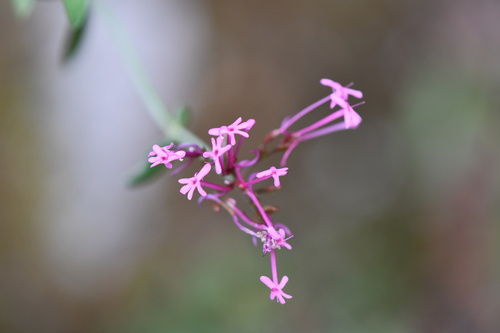
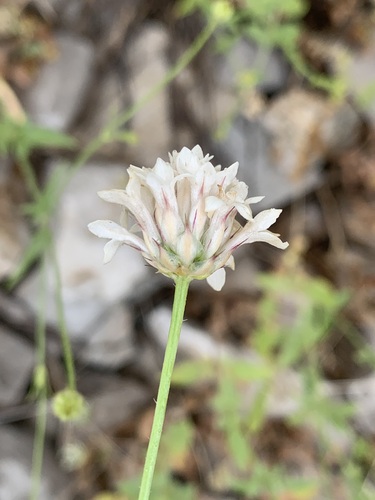
Valerianella eriocarpa
Desv.
Italian Corn Salad

(c) jltasset, some rights reserved (CC BY-NC), uploaded by jltasset

(c) Alenka Mihoric, some rights reserved (CC BY-NC), uploaded by Alenka Mihoric

(c) Sylvain Piry, some rights reserved (CC BY-NC), uploaded by Sylvain Piry
What to Eat
Edible parts: Leaves
Young leaves - raw or cooked. The leaves have a very mild flavour and a slightly mucilaginous texture, they make an excellent ingredient of mixed salads and can be eaten in quantity. The leaves can be available all year round from successional sowings, and will only need protection in colder winters. When grown in rich soils larger leaves are produced that can be used as a potherb.
Where to Find It
C. and S. Europe. Naturalized in Britain.
TEMPERATE ASIA: Cyprus, Iran, Iraq, Israel, Jordan, Lebanon, Syria, Turkey, Armenia, Azerbaijan, Russian Federation (Dagestan), Tajikistan, Turkmenistan, Uzbekistan TROPICAL ASIA: Pakistan EUROPE: United Kingdom, Belgium, Switzerland, Ukraine (incl. Krym), Albania, Bulgaria, Greece (incl. Crete), Italy (incl. Sardinia, Sicily), Spain (incl. Baleares), France (incl. Corsica) AFRICA: Spain (Canarias), Algeria, Morocco, Tunisia
How to Identify
Valerianella eriocarpa is a ANNUAL growing to 0.4 m (1ft 4in). It is not frost tender. It is in flower from June to July. The species is hermaphrodite (has both male and female organs). The plant is self-fertile. Suitable for: light (sandy), medium (loamy) and heavy (clay) soils and prefers well-drained soil. Suitable pH: mildly acid, neutral and basic (mildly alkaline) soils. It cannot grow in the shade. It prefers dry or moist soil.
How to Grow
An easily grown plant, it prefers a fairly rich light soil. Prefers a sunny position but tolerates some shade in summer. This shade, plus an adequate supply of water, will slow down the plant's tendency to run to seed. Late sowings will benefit from a sheltered sunny position and perhaps some protection in the winter. Occasionally cultivated for its edible leaves, there are some named varieties. It is less hardy than common corn salad (Valerianella locusta), but does not run to seed so quickly in hot weather.
Propagation: Seed - in order to obtain a continuous supply of salad leaves, it is best to sow the seed successionally from early spring to mid summer in situ. A late summer sowing can also succeed, and this would supply edible leaves in the winter.